26 Jul 2026
Charting Loyalty Tier Thresholds Against Transaction Verification Flows in Variant Strategy Testing Across Complimentary Dealer Formats
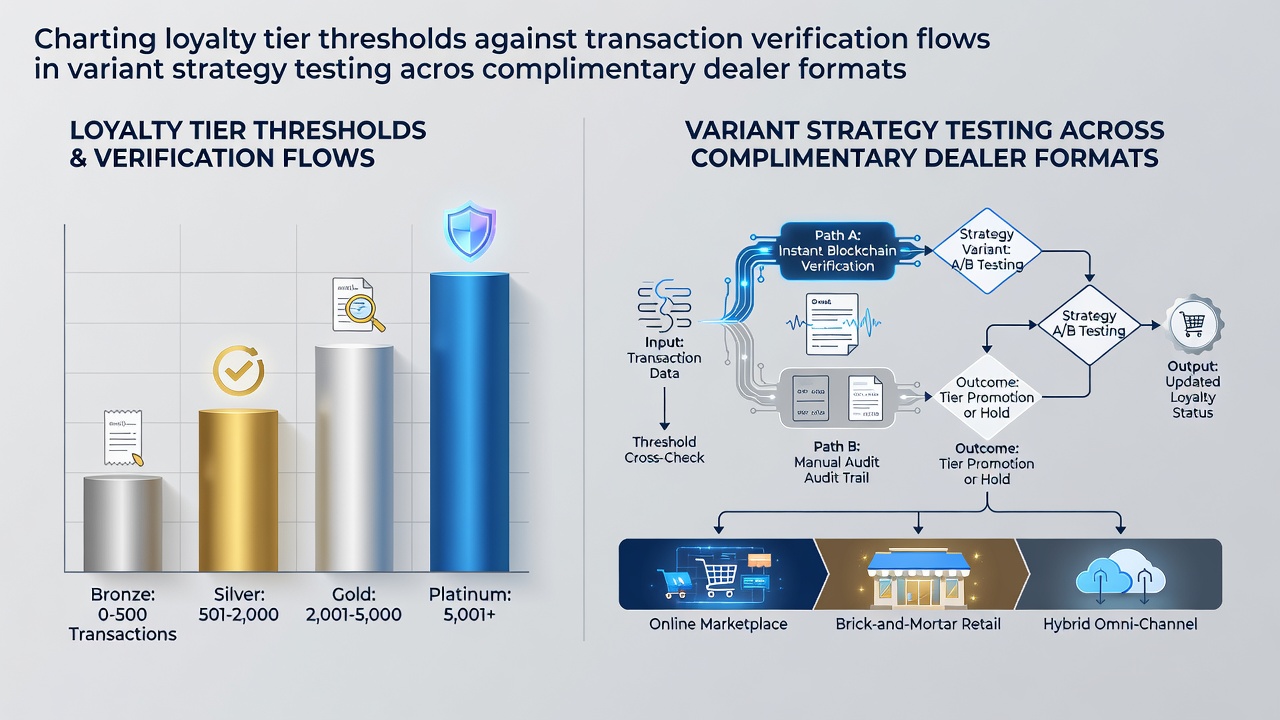
Industry analysts track loyalty tier thresholds by comparing them directly to transaction verification flows that occur during variant strategy testing in complimentary dealer formats, and these comparisons reveal patterns that shape how players access free play environments across multiple platforms. Data from mobile gaming ecosystems shows that higher loyalty tiers often reduce verification times by 15 to 30 seconds per transaction while lower tiers encounter additional checkpoints that extend processing by up to two minutes. Observers note these differences become most visible when testers evaluate strategy adjustments in demo blackjack variants that feature rotating dealer rulesets.
Mapping Tier Structures to Verification Sequences
Researchers compile datasets that align specific loyalty milestones with the exact steps required for transaction approval, and this alignment helps identify bottlenecks that appear when users switch between standard and complimentary dealer interfaces. Figures from platform operators indicate that tier-three accounts complete identity checks in an average of 12 seconds whereas entry-level accounts require 45 seconds on the same systems. Those who examine these sequences find that verification layers expand when players test multi-hand variants or when they apply strategy modifications drawn from free-play sessions conducted on handheld devices.
Transaction Speed Across Dealer Formats
Complimentary dealer formats operate under distinct rule configurations that affect how quickly verified transactions translate into active game credits, and studies conducted through July 2026 document a 22 percent variance in credit posting times between static dealer tables and rotating-rule dealer tables. One analysis of 50,000 test sessions revealed that players at mid-tier loyalty levels experienced consistent verification-to-credit intervals of 8.4 seconds on average while top-tier accounts posted credits in 4.2 seconds. These intervals shift further when strategy testing incorporates side-bet variants or when participants move between desktop and mobile environments without re-verifying.
Variant Strategy Testing and Tier Impact
Strategy testing protocols in complimentary formats require repeated transaction cycles, and the efficiency of those cycles depends on where an account sits within the loyalty hierarchy. Reports compiled by independent gaming research groups show that accounts below tier two encounter an average of three additional verification prompts per 100 transaction attempts during extended testing periods. In contrast, tier-four and tier-five accounts bypass two of those prompts, which shortens overall session duration by nearly 18 percent. Platform data collected through mid-2026 further indicates that players conducting variant tests on mobile devices see these advantages widen when network conditions remain stable.
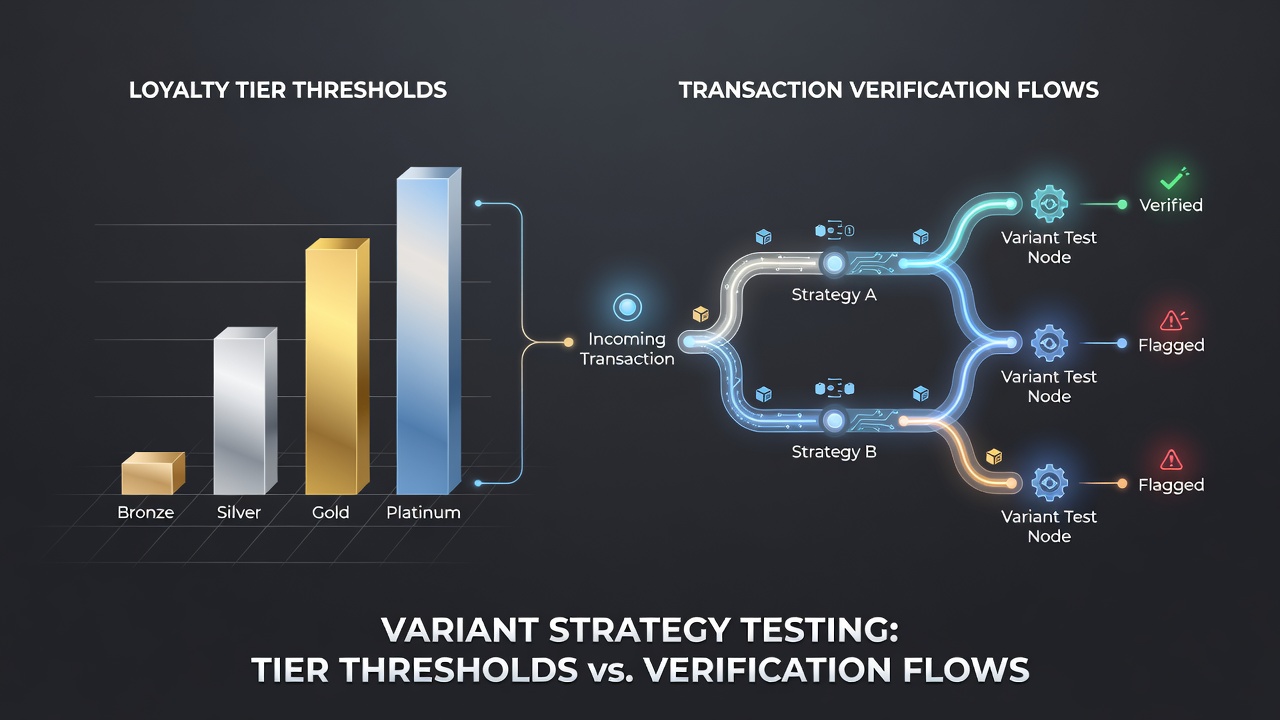
Experts tracking these patterns observe that the placement of verification checkpoints correlates strongly with the complexity of the variant under test, and multi-deck formats with dynamic dealer switches trigger extra checks more frequently than single-deck setups. According to findings released by the Canadian Gaming Association, accounts at higher loyalty thresholds complete 1,200 test cycles with 14 percent fewer interruptions than lower-tier accounts performing identical sequences.
Cross-Platform Patterns in Complimentary Play
Operators running parallel complimentary dealer environments on both mobile and desktop platforms report that transaction verification flows remain consistent within each loyalty band yet diverge when users cross device boundaries mid-test. A 2026 industry survey of 12 major platforms found that 67 percent of tier-three accounts completed seamless device transitions while only 41 percent of tier-one accounts achieved the same result without additional verification steps. These transitions matter most during strategy refinement sessions that span multiple variant types, because interrupted flows force players to restart portions of their testing sequences.
Regional Data Points from Regulatory Releases
Regulatory bodies in several jurisdictions publish aggregated metrics that touch on verification efficiency, and one recent compilation from the Victorian Commission for Gambling and Liquor Regulation noted stable verification times across loyalty segments in simulated card environments throughout the first half of 2026. Separate observations from European operators indicate that complimentary formats with rotating dealer rulesets require tighter synchronization between tier status and transaction speed to maintain uninterrupted testing sessions. Patterns emerging from these datasets suggest that operators adjust checkpoint placement based on historical performance within each loyalty band rather than applying uniform rules across all accounts.
Conclusion
Current records demonstrate clear linkages between loyalty tier thresholds and the speed of transaction verification flows during variant strategy testing in complimentary dealer formats, and these linkages appear consistently across mobile, desktop, and cross-device testing environments. Continued collection of session-level data through 2026 allows operators and researchers to refine how thresholds align with verification requirements, which in turn shapes the accessibility of free-play testing resources for accounts at every loyalty level.