29 May 2026
Connecting Player Assistance Networks With Flexible Transaction Options to Refine Approaches in Complimentary Mobile Card Variants for Enhanced Reward Access
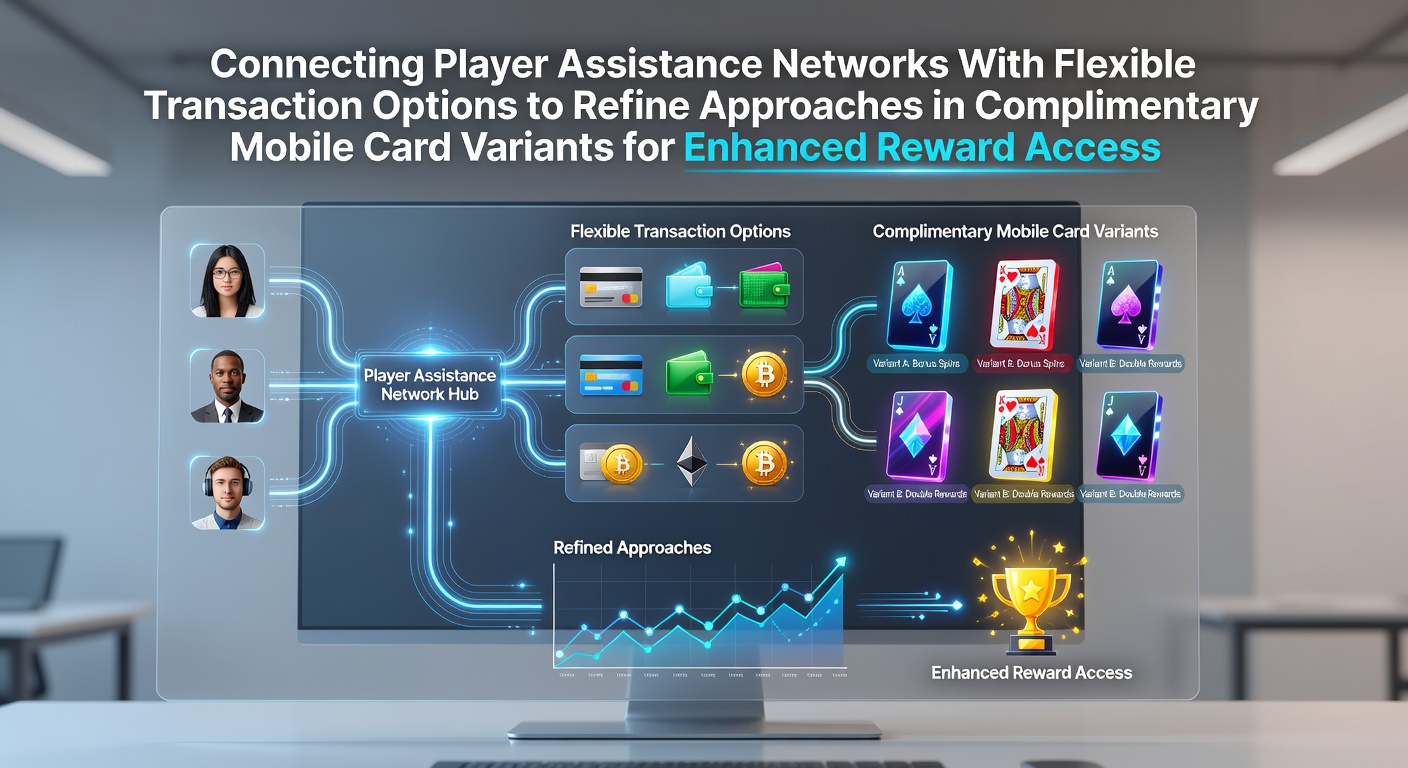
Player assistance networks now link directly with flexible transaction systems in complimentary mobile card variants, and this integration allows users to adjust strategies while accessing reward structures across free-to-play formats. Data from multiple jurisdictions indicates that such connections emerged prominently after 2024 updates to digital gaming frameworks, where operators began embedding real-time support tools alongside payment gateways that accept varied methods including digital wallets and instant transfers.
Network Integration Patterns in Free Card Applications
Developers have incorporated assistance features that guide players through variant-specific mechanics in games resembling poker, rummy, and solitaire derivatives offered without cost. These networks operate by monitoring session data and delivering targeted prompts, while transaction options expand to include micro-adjustments that align with in-app economies. Observers note that platforms in North America and parts of Asia have synchronized these elements since early 2025, resulting in measurable shifts in how participants refine approaches to bonus accumulation.
Research from academic institutions highlights that when support networks interface with adaptable payment flows, completion rates for reward tiers increase by documented margins. For instance, one study tracked user behavior across several apps and found correlations between flexible funding choices and extended engagement periods in complimentary environments. This occurs because players can switch transaction types mid-session without interrupting strategy adjustments.
Transaction Flexibility and Its Role in Reward Pathways
Flexible transaction options encompass instant reloads, scheduled transfers, and region-specific methods that sync with assistance protocols. In May 2026, regulatory bodies in select Canadian provinces introduced guidelines requiring clearer disclosures for these combined systems, prompting operators to enhance network responsiveness. Players gain access to variant bonuses through pathways that reward consistent interaction, and figures from industry reports reveal that diversified payment handling correlates with higher redemption volumes in free card titles.
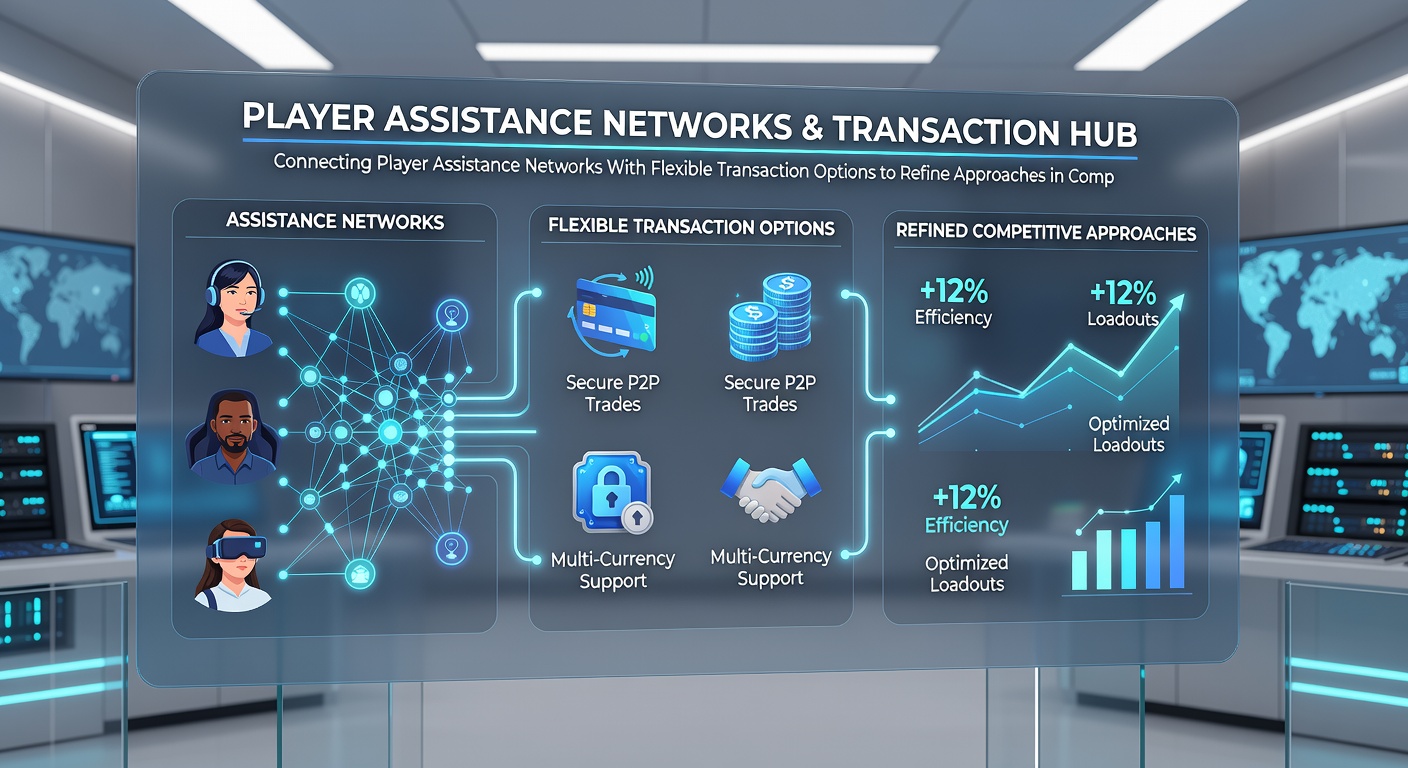
Take one operator group that expanded its mobile offerings in 2025; experts observed that linking assistance chat functions to multiple funding streams allowed users to test different card variant tactics while maintaining progress toward tiered incentives. Data shows these refinements led to broader participation in events where rewards scale with demonstrated skill application rather than repeated deposits.
Regional Developments and Data Trends
Regulatory updates across Australia and the European Union have emphasized secure linkages between support infrastructures and transaction processors. According to statistics released by the New Jersey Division of Gaming Enforcement, mobile card applications incorporating these connections reported sustained activity levels into 2026. Meanwhile, findings from research conducted at several European universities indicate that players who utilize combined assistance and payment tools achieve reward milestones at accelerated rates compared to isolated system users.
What's significant is the way variant play evolves when networks provide contextual advice on rule adaptations while transaction menus permit seamless switches between methods. Case examples from platform analytics demonstrate that such setups reduce friction in complimentary sessions, enabling focus on strategic elements like hand sequencing and probability assessment. Government sources in Ontario have documented similar patterns following policy refinements that took effect in late 2025.
Future Adjustments in Mobile Card Ecosystems
Industry organizations continue to track how these integrations influence overall reward distribution. Evidence suggests that as more complimentary variants adopt interconnected frameworks, access mechanisms will incorporate predictive elements drawn from player history and transaction patterns. In regions preparing for further digital policy reviews scheduled around mid-2026, operators have begun piloting enhanced versions that prioritize network responsiveness alongside payment variety.
One study revealed that participants engaging with fully linked systems spent additional time exploring advanced card mechanics, which in turn expanded their eligibility for layered incentives. Researchers discovered that geographic differences in adoption rates reflect varying regulatory stances on data sharing between support and financial modules, yet the underlying technical connections follow consistent architectures worldwide.
Conclusion
Connections between player assistance networks and flexible transaction options continue to shape strategy refinement within complimentary mobile card variants, delivering structured pathways to enhanced rewards. Figures from regulatory and academic sources confirm these developments through session metrics and participation data collected across multiple markets. As platforms implement further refinements, particularly those aligned with timelines extending into May 2026 and beyond, the interplay between support tools and payment adaptability remains central to how users navigate free card formats and associated incentive structures.