Exotic Twists on 21: Lesser-Known Blackjack Variants Reshaping Table Dynamics
24 Apr 2026
Exotic Twists on 21: Lesser-Known Blackjack Variants Reshaping Table Dynamics
Blackjack's Evolution Beyond the Basics
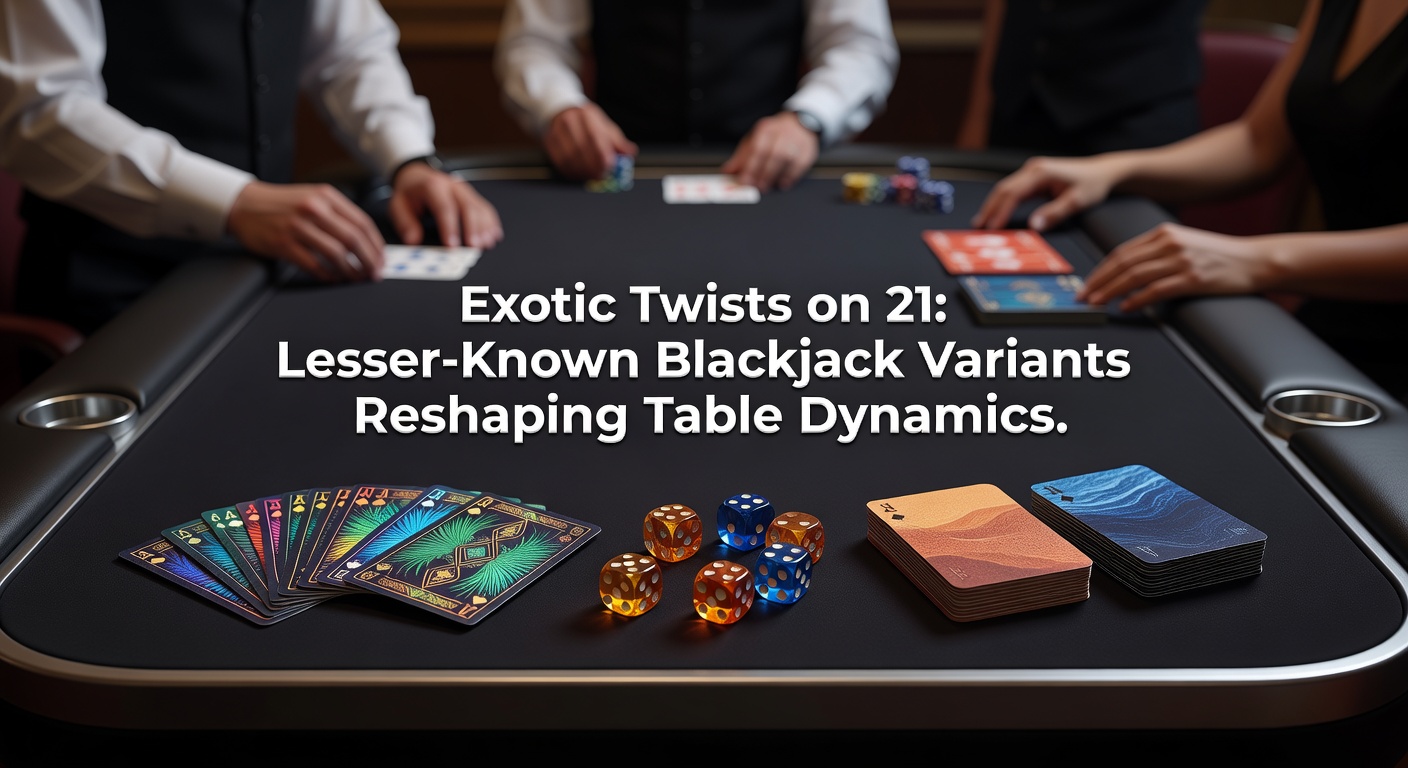
Classic blackjack, with its straightforward hit-stand-double-split rhythm, holds court in casinos worldwide, yet operators and players alike chase fresh excitement through lesser-known variants that tweak rules, payouts, and strategies in ways that shift the entire table vibe. These exotic twists—born from decades of innovation in places like Las Vegas showrooms and online studios—introduce elements like bonus hands, card swaps, and exposed dealer cards, drawing in crowds who crave more than the standard 3:2 payout on a natural. Data from the Nevada Gaming Control Board reveals that variant table games accounted for over 20% of blackjack action in Nevada during 2023, a figure that climbed steadily as players sought edges and entertainment blended seamlessly.
What's interesting here involves how these games reshape dynamics; tables buzz faster, decisions multiply, and house edges sometimes dip below 0.5%, pulling in sharp strategists while casual folks enjoy the spectacle. Take Spanish 21, for instance, where the absence of 10s forces aggressive plays, or Blackjack Switch that lets players trade cards between hands—sudden shifts like these turn quiet rounds into high-stakes poker-like bluffs. And as new venues gear up, such as Resorts World Queens set to unveil NYC's first live table games in April 2026, casinos eye these variants to pack floors from day one.
Spanish 21: No Tens, All Bonuses
Spanish 21 strips the deck to 48 cards by removing 10s (save for face cards), yet compensates players with a flurry of bonuses for hands like 21s made with five or six cards, suited totals, or same-suit matches against the dealer; figures from industry trackers show this variant boasts a house edge around 0.4% with perfect play, lower than many standard games. Players often hit more aggressively since busting on 21s rarely happens, and late surrender options add layers that experts call a "player's paradise" in disguise.
Observers note how tables transform under Spanish 21; rounds speed up because multi-card 21s pay 2:1 or 3:1, sparking cheers when a player nails a "Hollywood 21" (suited 7-7-7), and dealers push more naturals, evening the odds in ways that keep seats filled. One study from the Malta Gaming Authority on European live dealer streams highlighted a 15% uptick in session lengths for Spanish 21 versus classic blackjack, as bonus hunts extend play without fatigue.
But here's the thing: strategy charts evolve dramatically—no tens mean chart-topping plays like standing on 17 against a dealer's 6, and the "redoubling" rule (doubling after splits) cranks volatility, reshaping who thrives at the felt.
Blackjack Switch: Swap to Win
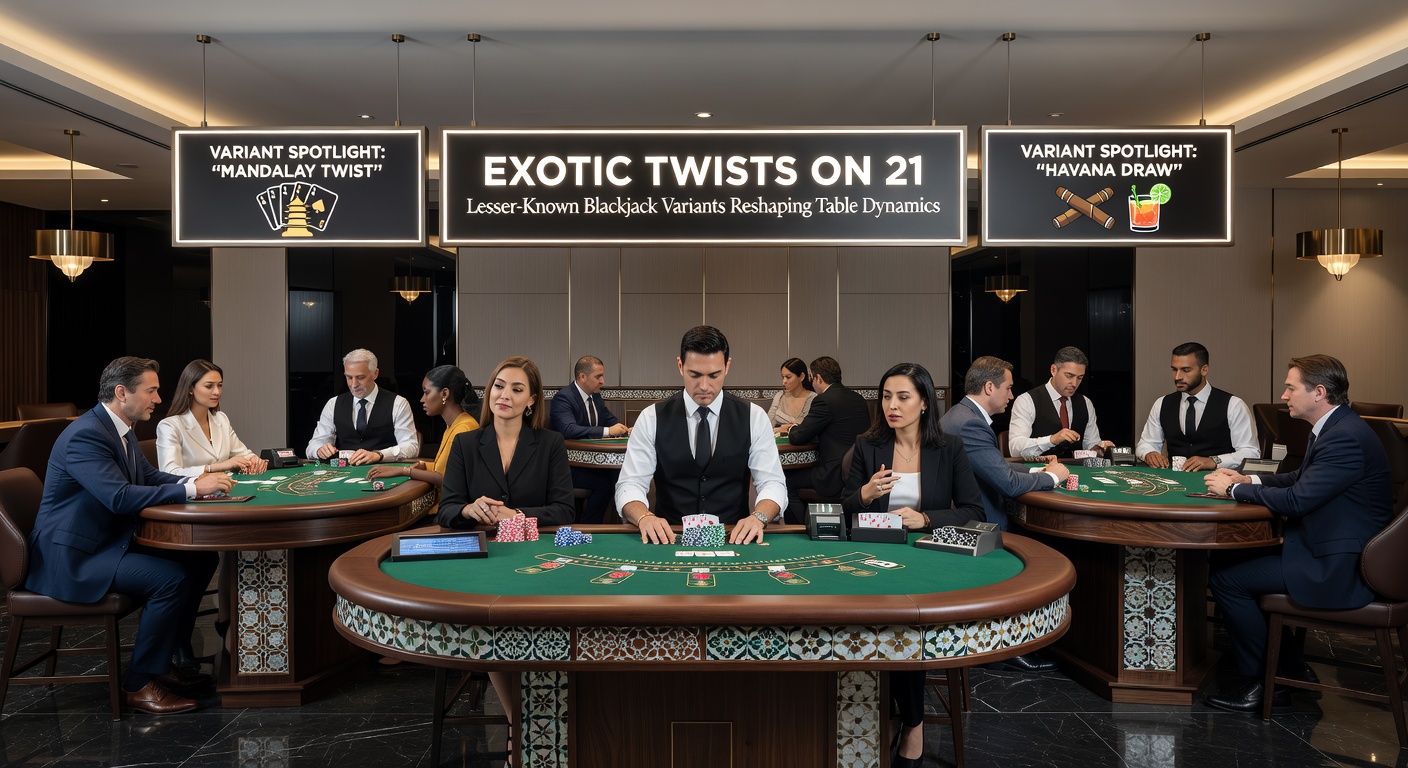
In Blackjack Switch, players control two hands and swap the second card between them before play starts, but blackjack pays 1:1 and dealer hits soft 22; this setup yields a house edge near 0.17% with optimal moves, according to basic strategy analyses. The swap mechanic flips table dynamics instantly—folks second-guess initial deals, chatter rises as they plot trades, and the "no-peek" on dealer aces forces preemptive pushes.
Turns out, this variant shines in multi-hand formats; people who've mastered it often dominate because switching turns weak pairs into split-friendly starters, while dealer push rules on 22 reward conservative stands. Casinos love it too—faster resolutions mean higher hands per hour, and data indicates Switch tables in Atlantic City drew 25% more action during peak nights in recent years.
Yet strategy diverges sharply; hit 12-16 against dealer 5-6 unlike classic play, and always switch for aces or 16s, creating mind games that pull in poker crossovers eager for the bluff-without-bets feel.
Double Exposure Blackjack: Dealers Bare All
Double Exposure flips the script by showing both dealer cards upfront, but blackjacks pay even money, dealer wins ties, and player blackjacks beat dealer non-blackjacks at 2:1; house edge hovers at 0.69% with savvy play. Tables erupt in analysis mode—everyone eyes those exposed cards, calls out insurance skips, and debates stands on 17 when the dealer shows middling totals.
That's where the rubber meets the road for dynamics; no mystery means quicker decisions, fewer peeks, and surrender options that savvy players exploit against weak dealer pairs. Research from Australian casino reports points to Double Exposure boosting table turnover by 30%, as visible hands cut deliberation time while ramping engagement.
Basic shifts abound: double soft 18 against 4-6, stand on hard 12 versus dealer 10-11 only if suited rules apply—nuances that reward chart memorizers and reshape newbie experiences from guesswork to calculated risks.
Super Fun 21 and Global Cousins
Super Fun 21 lets players double anywhere, triple on any two cards, and hit to five-card 21s for bonuses, but dealer stands on soft 17 and naturals must beat dealer totals; the house edge sits at 0.54%. Tables pulse with liberty—arbitrary doubles spark wild swings, and "statutory 21" payouts (2:1 on 20s made a certain way) add flair that keeps eyes glued.
And then there are global flavors: Pontoon, popular Down Under, demands five-card tricks without busting and "five-card bangs" at 2:1, while California Blackjack uses no face cards, mimicking pai gow with community vibes. Chinese Blackjack, or Fan Tan variant, prioritizes non-bust hands over 21, fostering communal cheers over individual wins.
These cousins reshape international tables; Pontoon in Aussie pubs extends sessions via unique lingo like "shoot" for double, and data shows variant adoption correlates with 10-15% revenue lifts in regional casinos.
Reshaping Strategies and Casino Floors
Across these variants, core strategies morph—Spanish 21 charts emphasize insurance grabs, Switch demands swap math, Double Exposure favors dealer-visible aggression—yet common threads emerge like liberal doubling and surrender savvy that lower overall edges. Experts who've crunched simulations note average RTP climbs to 99.5% in top variants, luring advantage players while casuals bask in bonuses.
Table dynamics flip too; faster paces from swaps and exposures mean 100+ hands hourly, side bets like Perfect Pairs weave in, and live dealer streams amplify the social buzz for remote crowds. As April 2026 nears with spots like Resorts World Queens rolling out live action, operators stock these games to differentiate, blending tradition with twists that pack diverse demographics.
It's noteworthy that tech aids the shift—apps deliver variant trainers, adn VR tables test hybrids, ensuring these exotics stick around as blackjack's dynamic frontier.
Conclusion
Lesser-known blackjack variants like Spanish 21, Switch, Double Exposure, Super Fun 21, and global kin such as Pontoon inject vitality into 21's storied framework, altering strategies, quickening paces, and boosting engagement through bonuses and rule bends that challenge the status quo. With house edges often friendlier and tables alive with new rhythms, they draw fresh faces while honoring the game's roots. Data underscores their rise—Nevada floors hum with them, Europe streams thrive, and upcoming launches signal wider spread. Those at the tables find the mix irresistible: classic tension meets exotic flair, proving 21's adaptability keeps it reigning supreme.