19 Jul 2026
Linkages Between Funding Pathways and Assistance Protocols for Refining Approaches in No-Cost Blackjack Adaptations on Portable Devices
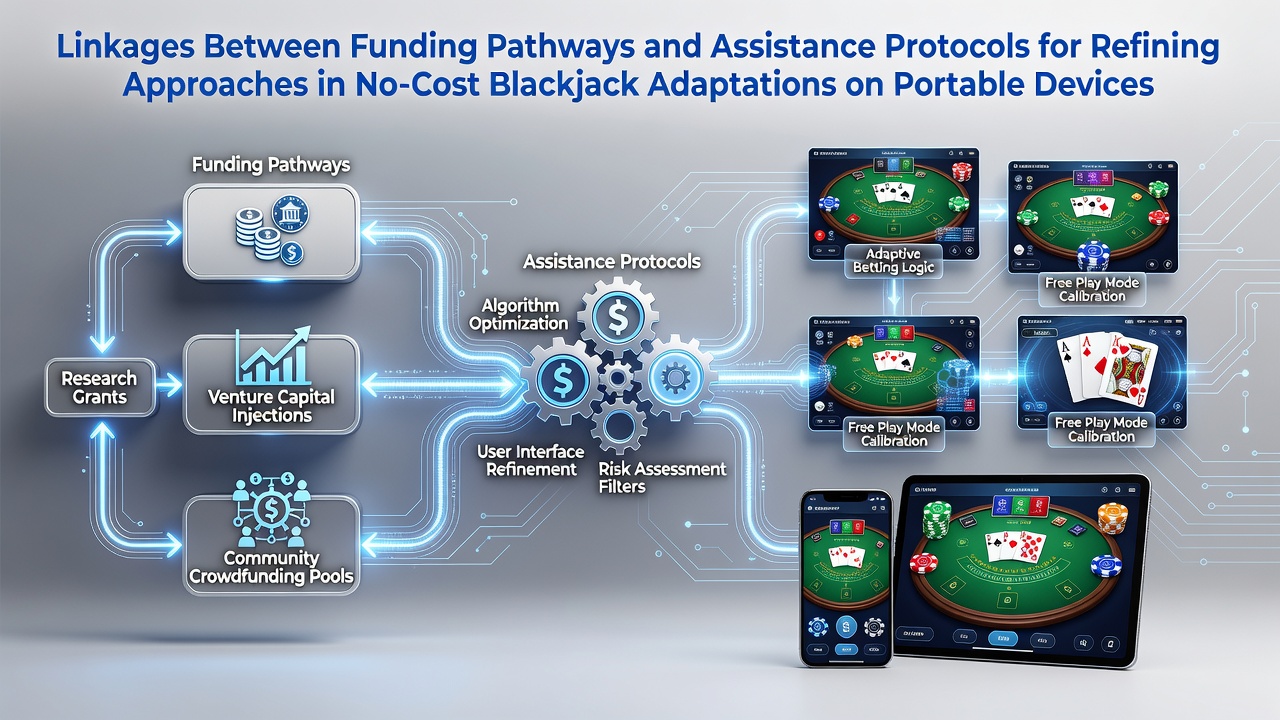
Observers note clear connections between funding pathways and assistance protocols that shape how players refine strategies in no-cost blackjack adaptations on portable devices, and these linkages have gained attention as mobile gaming ecosystems expand through July 2026. Data from regulatory filings indicate that free-to-play formats often integrate virtual currency systems where users convert real-money deposits into in-game credits, yet access to live support channels frequently depends on transaction history rather than play volume alone. Researchers at institutions tracking digital entertainment patterns have documented how quicker verification of funding sources correlates with faster responses from help networks, allowing users to adjust betting patterns or test variant rules without extended delays.
Mapping Funding Options to Support Access
Studies conducted across North American and European markets reveal that players who utilize direct bank transfers or established e-wallet services encounter fewer barriers when seeking assistance for strategy refinement in complimentary mobile blackjack sessions. According to figures released by the Australian Gambling Research Centre, verification speeds for these methods average under two minutes in many licensed platforms, which in turn routes inquiries to specialized advisors familiar with variant mechanics such as infinite deck adjustments or side-bet optimizations. Those who've examined transaction logs find that prepaid card pathways, while popular in certain regions, sometimes trigger additional compliance checks that extend response times and limit immediate access to tutorial resources or simulated hand reviews.
What's interesting is how these patterns hold steady even in jurisdictions without strict monetary thresholds for free play. Canadian provincial oversight bodies have reported similar trends in aggregated industry data, where assistance protocols prioritize accounts with verified funding histories to reduce fraud risks while still supporting skill development in no-cost environments. Experts have observed that this structure encourages users to explore multiple payment rails early, thereby unlocking layered support tiers that include real-time chat overlays and recorded strategy modules tailored to handheld screen constraints.
Assistance Protocols and Strategy Refinement Loops
Assistance protocols in these systems typically encompass automated bots for basic rule clarifications alongside human agents equipped to discuss probability adjustments across different blackjack adaptations. Research indicates that when funding pathways align with seamless verification, players gain quicker entry into these loops, enabling iterative testing of approaches like card counting approximations or deviation charts without leaving the portable interface. One analysis of user behavior across multiple operators showed that accounts tied to recurring micro-transactions received priority routing to protocol branches focused on advanced tactics, whereas one-time funding events sometimes directed users toward general FAQs first.
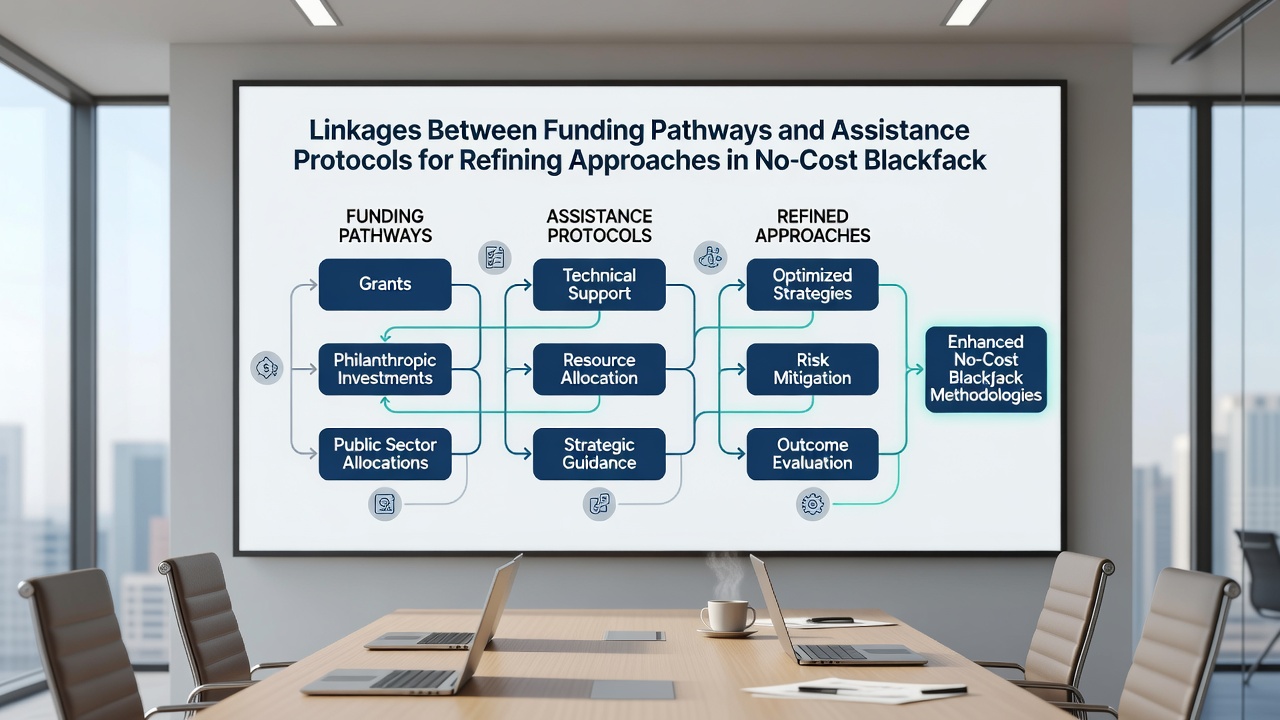
But here's the thing: the efficiency of these connections varies by platform architecture. Data compiled through mid-2026 demonstrates that operators employing unified payment-and-support dashboards achieve higher rates of strategy refinement completion, measured by users returning to the same variant after initial assistance sessions. Government agencies in several Asian markets have tracked comparable metrics, noting that integrated pathways reduce drop-off between funding confirmation and protocol engagement by noticeable margins.
Regional Variations and Emerging Patterns
Patterns differ when examined by geography. In markets where digital wallets dominate funding routes, assistance protocols often incorporate region-specific language support and localized probability tools for mobile blackjack formats. Figures from oversight entities outside traditional Western frameworks reveal that such adaptations improve accessibility for users refining approaches across time zones, particularly during peak evening hours in July 2026. Meanwhile, platforms relying on card-based funding see more emphasis on email-ticket systems that batch responses, which can slow the feedback cycle yet still deliver detailed hand-history breakdowns once processed.
Those tracking industry reports highlight how these linkages influence overall engagement without requiring real-money risk, since no-cost adaptations maintain separate ledgers for virtual play. Academic papers examining mobile gaming ecosystems have pointed to correlations between funding verification speed and the depth of assistance provided, suggesting operators calibrate protocols to match transaction profiles for operational efficiency.
Conclusion
Evidence gathered through 2026 continues to illustrate that funding pathways and assistance protocols operate as interdependent elements in the refinement of approaches within no-cost blackjack adaptations on portable devices. Observers note that continued monitoring by regulatory bodies and research groups will likely clarify additional connections as platforms evolve their systems to accommodate shifting user behaviors and technological updates across global markets.