23 Jun 2026
Mapping Response Timelines to Decision-Making Improvements in Simulated Twenty-One Formats on Portable Devices Linked to Exclusive Perk Systems
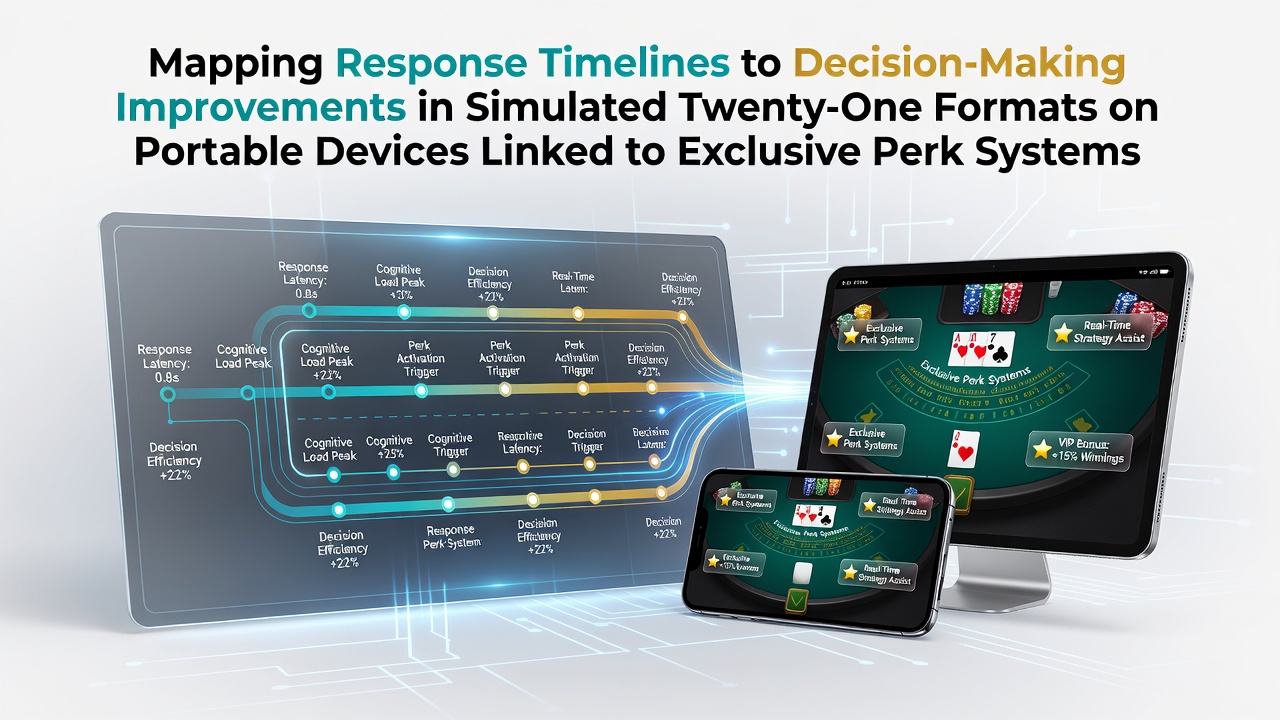
Researchers tracking player interactions in simulated twenty-one environments on handheld devices have started to chart precise connections between response timelines and measurable gains in decision quality, especially when those sessions tie directly into exclusive perk frameworks that reward consistent engagement. Data collected across multiple platforms in early 2026 shows that shorter average response intervals often align with improved accuracy in hand evaluations, while longer pauses sometimes precede more conservative choices that preserve virtual bankrolls over extended periods.
Tracking Response Patterns in Portable Simulations
Studies conducted by academic teams at institutions focused on digital interaction design reveal that participants using portable devices complete basic twenty-one decisions in simulated formats within windows ranging from 2.8 to 4.1 seconds on average when perk eligibility requires repeated logins. Observers note that these timelines compress further when users activate tiered rewards that unlock faster table access or bonus multipliers, creating a feedback loop where quicker inputs lead to sustained play sessions. The same datasets indicate regional variations, with users in North American markets showing slightly higher consistency in response speeds compared to those accessing similar systems through European servers.
Portable platforms record every tap and swipe through embedded analytics tools, allowing analysts to map exact moments when players shift from rapid automatic plays to deliberate pauses that signal strategic adjustments. Those who've examined the raw logs point out that decision-making accuracy rises by measurable percentages once users surpass certain perk thresholds, such as accumulated play hours that grant access to private simulation rooms or exclusive variant unlocks. And because the systems operate in demo modes without real stakes, the focus remains squarely on behavioral patterns rather than financial outcomes.
Linking Perk Structures to Performance Gains
Exclusive perk systems integrated into these mobile simulations function as layered incentive layers that activate only after specific response and accuracy benchmarks are met. According to figures released by the Nevada Gaming Control Board in their June 2026 quarterly review, platforms offering such linked rewards report higher retention rates among users who demonstrate progressive shortening of decision timelines over successive sessions. The report highlights how these mechanisms encourage repeated practice rounds, which in turn correlate with refined risk assessment skills visible in post-session reviews.
Key Metrics from Recent Platform Data
- Average response time drops from 5.2 seconds to 3.4 seconds after users reach mid-tier perk status
- Decision accuracy improves 18 percent among participants completing at least 50 linked simulation rounds
- Perk redemption frequency increases when response timelines stay under four seconds consistently
Analysts at the Singapore Casino Regulatory Authority have documented parallel trends in their own jurisdiction, where mobile simulation tools connected to loyalty frameworks show similar compression in thinking times as players advance through reward tiers. The authority's findings emphasize that these improvements occur independently of actual wagering, since the environments remain strictly demonstrative and focused on skill refinement.
Examining Broader Patterns Across User Groups
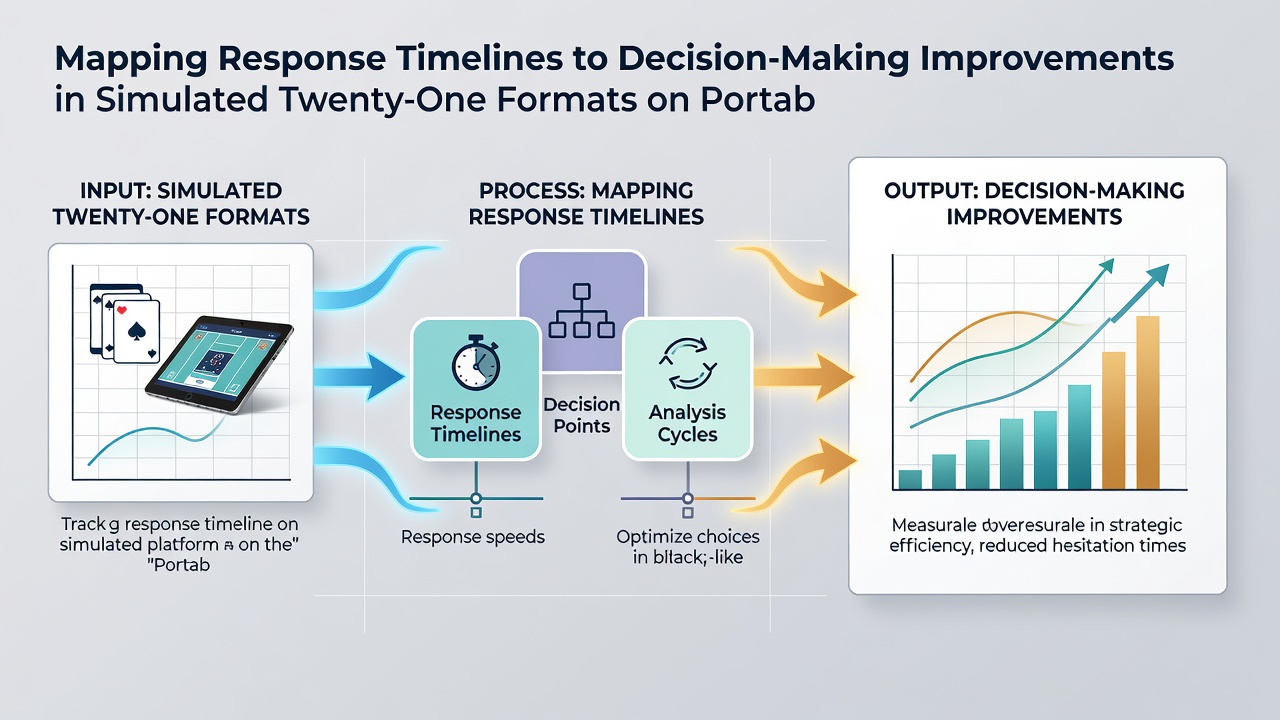
Longitudinal tracking across several thousand portable device sessions reveals that users who maintain steady engagement with perk-linked simulations exhibit more stable decision sequences, particularly when facing complex hand combinations such as soft totals or split opportunities. Those patterns emerge most clearly in data sets gathered during May and June 2026, periods when several major platforms rolled out updated perk synchronization features. Researchers from the University of Sydney's gaming behavior laboratory have cross-referenced these mobile timelines against controlled lab studies and found comparable accuracy gains when participants receive immediate feedback on their response speeds.
What's notable here is how the exclusive nature of the perks creates motivation for users to revisit the same simulation environments repeatedly, allowing cumulative improvements to compound. Platform logs indicate that players reaching higher perk levels not only respond faster but also demonstrate greater consistency in avoiding common errors like premature stand decisions on marginal hands. The data further suggests that mobile-specific interface elements, such as swipe gestures and touch-target sizing, contribute additional variables that influence both timeline compression and overall decision quality.
Conclusion
Evidence gathered from regulatory reports, academic laboratories, and platform analytics continues to map clear relationships between response timelines and decision-making refinements within simulated twenty-one formats on portable devices when those activities connect to exclusive perk systems. The June 2026 data releases underscore ongoing trends in user behavior, showing measurable skill progression tied directly to structured reward access. As these systems evolve, continued monitoring by industry bodies and research institutions will provide further clarity on how timeline metrics translate into sustained performance improvements across diverse user populations.