21 Jul 2026
Mapping Secure Transaction Routes to Tiered Loyalty Perks in Live Dealer Mobile Variants
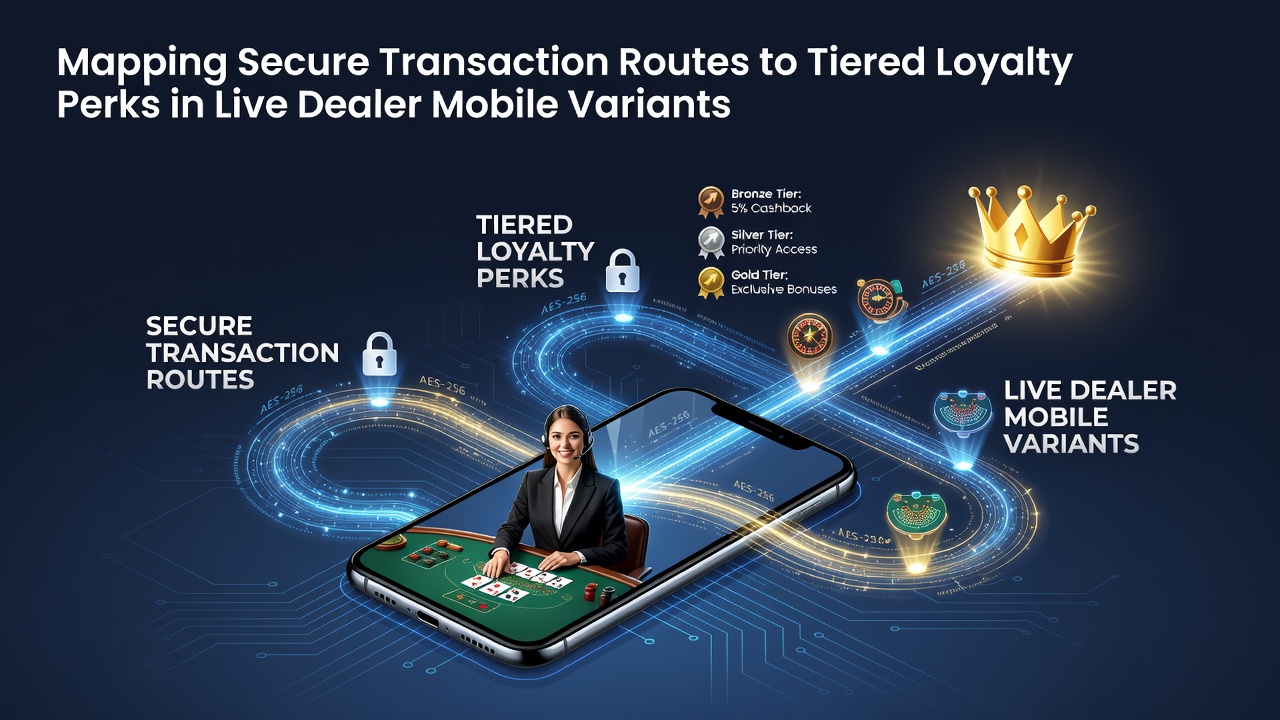
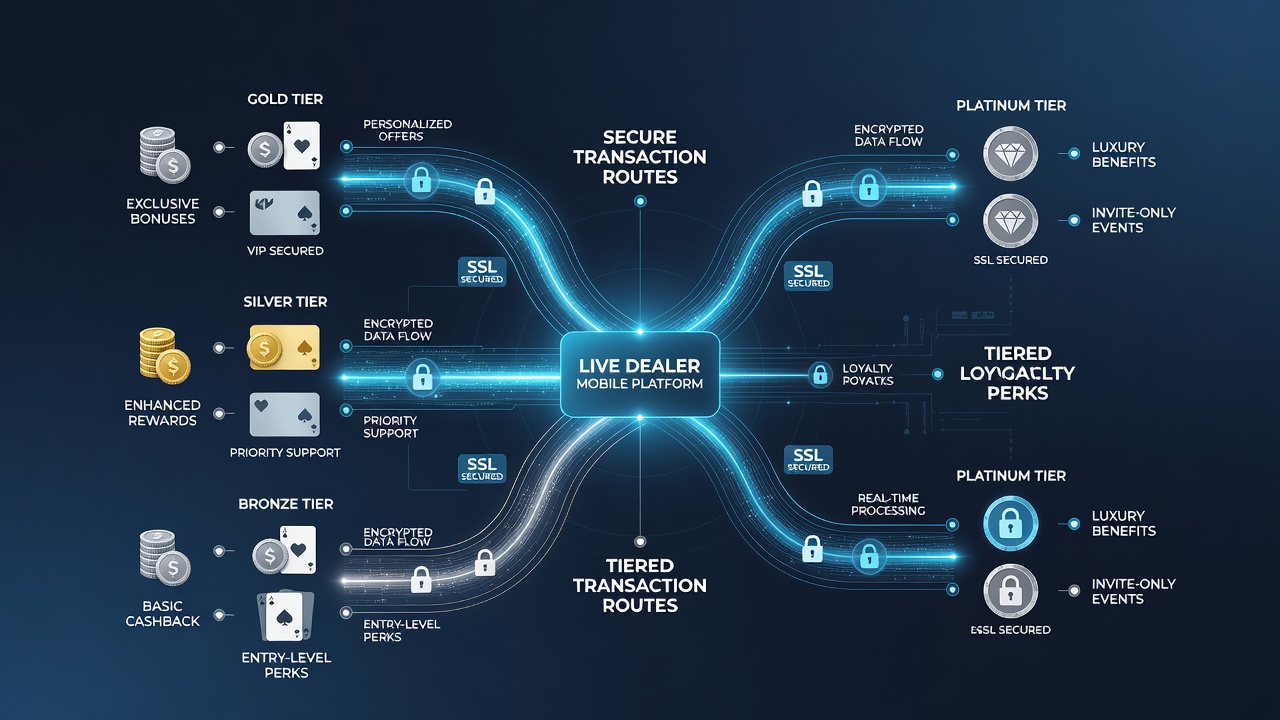
Secure transaction routes in live dealer mobile variants operate through layered encryption protocols and verified payment gateways that align directly with tiered loyalty frameworks, allowing operators to deliver targeted perks based on transaction history and engagement metrics. Data from mobile gaming platforms shows these mappings rely on real-time verification systems that track deposit volumes, withdrawal patterns, and session durations to assign players into bronze, silver, gold, and platinum categories, each unlocking distinct benefits such as accelerated reward points or exclusive table access.
Transaction Security Foundations in Mobile Live Dealer Systems
Live dealer mobile variants utilize end-to-end encryption combined with tokenization to secure every financial interaction, and researchers at institutions like the University of Nevada Reno have documented how these protocols prevent data interception during high-volume sessions. Payment flows route through certified processors that validate user identities against regulatory databases before any funds move, which creates the baseline for loyalty tier progression since verified transactions feed directly into reward calculation engines. In July 2026, several platforms reported increased adoption of biometric authentication layers that further streamline these routes while maintaining compliance across multiple jurisdictions.
Those who've examined system architectures note that transaction speed influences tier eligibility, with faster verified deposits often accelerating point accumulation rates in games like mobile live blackjack variants. Secure routes also incorporate fraud detection algorithms that flag anomalous patterns, ensuring only legitimate activity contributes to loyalty advancement and preventing artificial inflation of reward balances.
Integration of Loyalty Tiers with Payment Pathways
Tiered loyalty programs connect to transaction routes through application programming interfaces that pull data from payment logs and translate it into perk entitlements without exposing sensitive financial details. Bronze tier members typically receive standard cashback percentages after reaching minimum deposit thresholds, whereas gold and platinum participants gain access to personalized dealer interactions and reduced wagering requirements on converted bonuses. Observers note that this mapping occurs dynamically, updating in real time as new transactions process through the secure channels.
Examples from Regional Markets
Take one operator in the Asia-Pacific region that synchronized its loyalty database with multi-currency payment gateways, resulting in higher retention among mobile users who completed verified transactions above certain thresholds. Similar patterns appear in North American deployments where state-licensed platforms link loyalty perks to transaction verification speeds, allowing players to unlock free live dealer spins after consistent activity across secure routes. A study conducted by the Canadian Centre on Substance Use and Addiction examined how such integrations affect player behavior in simulated environments, finding measurable differences in session length tied to tier status.
Data Mapping Processes and Verification Standards
Mapping occurs via centralized dashboards that correlate transaction metadata with loyalty profiles, using unique identifiers to maintain separation between financial records and reward accounts. According to figures from the Malta Gaming Authority, platforms employing these mappings achieve compliance rates exceeding 95 percent for player fund segregation requirements, which supports stable perk distribution across live dealer mobile formats. The process involves matching deposit amounts and frequencies against tier criteria, then triggering automated perk releases such as priority customer support or variant-specific multipliers.
What's notable is how these systems handle cross-border transactions, where currency conversion and regulatory checks integrate into the same secure pipeline that feeds loyalty calculations. Experts have observed that platforms updating their mapping logic in mid-2026 incorporated machine learning elements to predict tier upgrades based on projected transaction volumes, reducing manual reviews while preserving accuracy.
Operational Impacts on Player Engagement Patterns
Players navigating these mapped systems encounter streamlined access to tier benefits once initial transaction verification completes, which data indicates correlates with increased session frequency in live dealer environments. Industry reports from the European Gaming and Betting Association highlight that variants featuring clear route-to-perk visibility experience steadier engagement curves compared to those with opaque loyalty mechanics. Transaction history serves as the primary input, enabling operators to deliver context-specific rewards like tailored betting limits or invite-only tournaments without additional player input.
Yet the reality remains that all mappings stay subject to ongoing regulatory audits that verify both security integrity and fair perk allocation. Platforms that maintain detailed audit trails for these routes demonstrate stronger alignment with emerging standards around responsible gaming features embedded directly into loyalty structures.
Conclusion
Secure transaction routes continue to function as the backbone for tiered loyalty delivery in live dealer mobile variants, with mappings that translate verified financial activity into structured rewards across multiple platform types. As systems evolve through 2026 and beyond, the connections between payment verification speeds and perk accessibility remain central to how operators structure player progression in these environments. Data from regulatory bodies and research institutions supports the ongoing refinement of these frameworks to balance security requirements with engagement objectives.