12 Jul 2026
Mapping Verification Protocols to Progressive Incentive Unlocks Across Practice Modes of Diverse 21 Adaptations on Wireless Gadgets
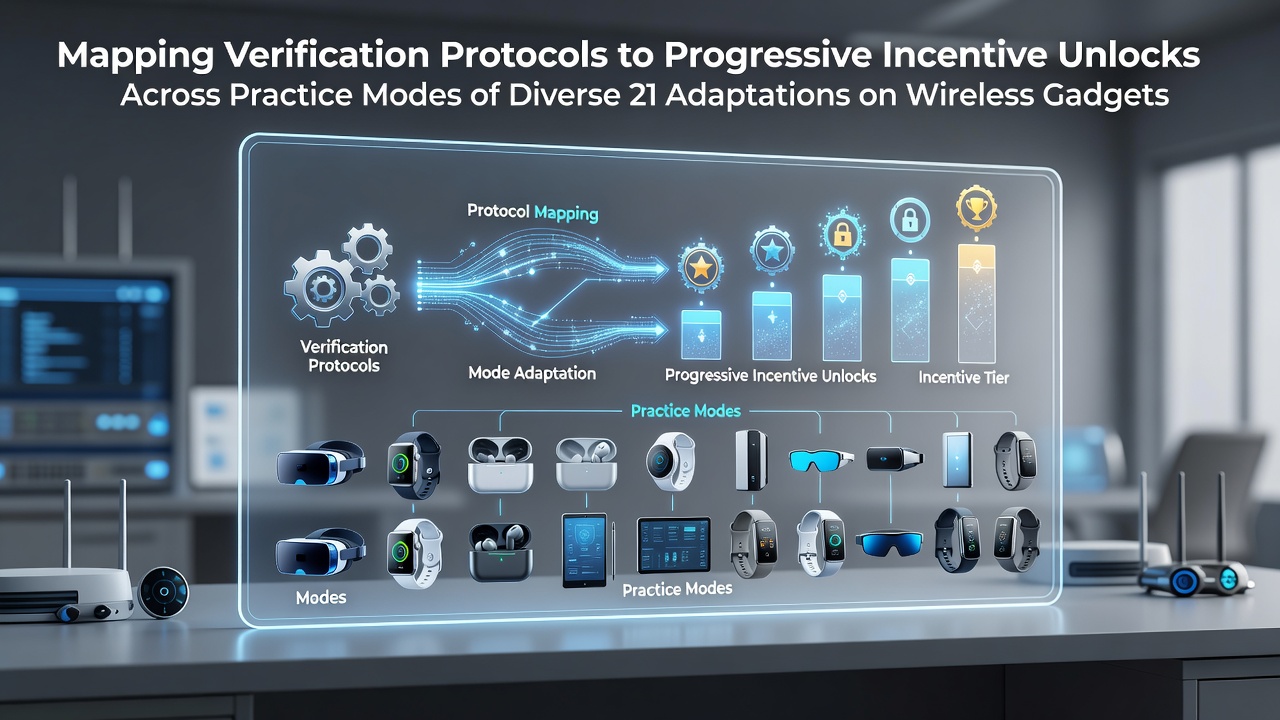
Wireless gadgets continue to reshape how players access practice modes for various 21 adaptations, where verification protocols connect directly to systems that release progressive incentives based on performance milestones. Observers note that these mappings create structured pathways from basic identity checks through transaction validations and into layered reward tiers, particularly in simulated environments that mirror real-money table dynamics without requiring deposits. Data from industry tracking services shows steady expansion of these features across mobile platforms in the first half of 2026.
Core Components of Verification in Practice Environments
Verification protocols begin with device-level authentication steps that confirm user identity before any gameplay data flows into incentive tracking systems, and these steps integrate with progressive unlock mechanisms that scale rewards according to completion rates in demo sessions. Researchers at academic institutions studying digital gaming ecosystems have documented how multi-factor checks, including biometric elements on wireless gadgets, feed into backend databases that monitor session duration and variant-specific achievements. According to reports from the Nevada Gaming Control Board, such integrated verification reduces friction in free-play environments while maintaining compliance standards that apply across multiple jurisdictions.
Progressive Incentive Structures Tied to Practice Milestones
Progressive incentives unlock through mapped verification layers that track everything from initial login sequences to advanced strategy completions in diverse 21 adaptations such as Spanish 21, Pontoon, and Double Exposure variants. Figures reveal that systems often tier these unlocks so that basic protocol completion grants access to introductory bonus multipliers, while deeper validations tied to repeated practice rounds release higher-value incentives like extended play credits or variant-specific strategy tools. One study released in early 2026 highlighted how these connections operate on handheld platforms, where real-time data synchronization between verification modules and reward engines supports seamless progression without interrupting user flow.
Wireless gadgets equipped with modern operating systems facilitate these mappings through application programming interfaces that link verification events directly to incentive databases, and experts have observed consistent patterns where faster protocol responses correlate with quicker access to advanced practice features. In July 2026 updates from mobile analytics providers, adoption rates for these integrated systems showed measurable growth in regions with established gaming regulations, reflecting broader shifts toward accessible demo formats that prepare users for paid variants.
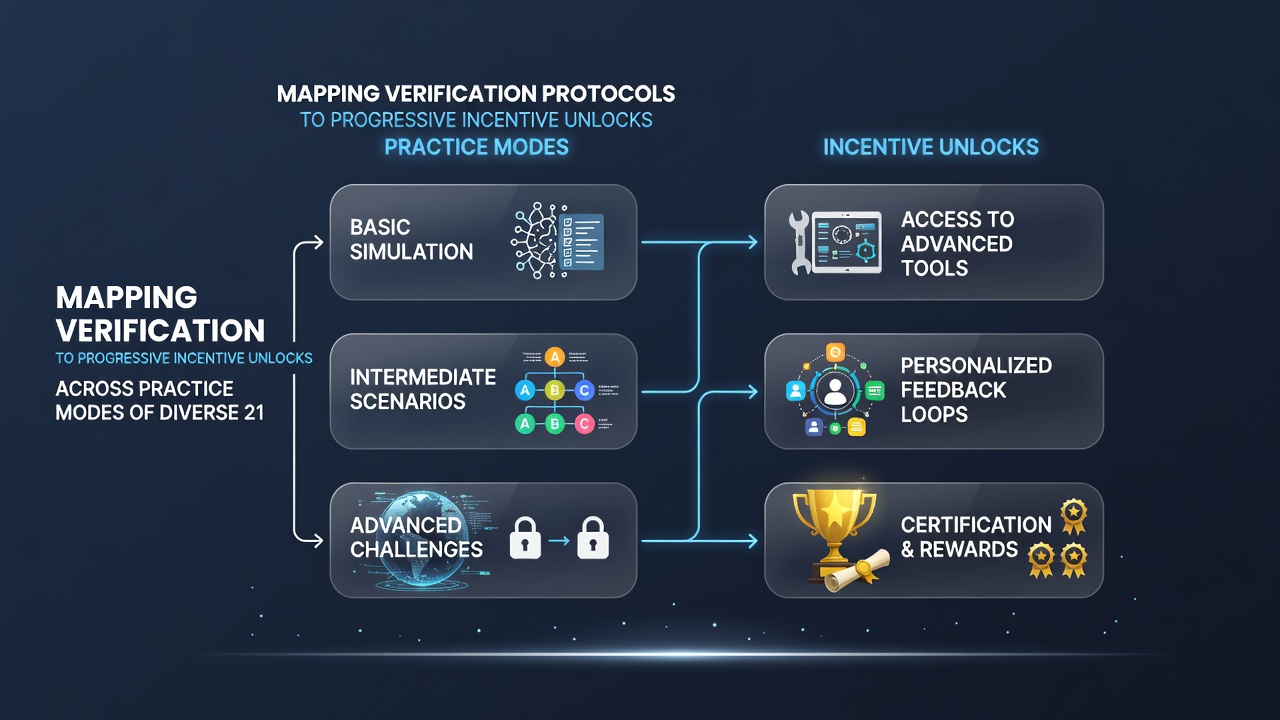
Adaptations Across Diverse 21 Formats on Mobile Platforms
Diverse 21 adaptations present unique challenges for protocol mapping because each variant carries distinct rule sets that influence how practice mode achievements translate into incentive progress. For instance, adaptations emphasizing side bets require additional verification checkpoints to confirm accurate tracking of those elements before progressive rewards activate, whereas standard formats rely on simpler session metrics. Industry organizations such as the Interactive Gaming Council have compiled data indicating that developers increasingly standardize these mappings to handle multiple variants within single mobile applications, allowing users to switch between practice modes while maintaining continuous incentive accumulation.
Transaction verification speeds play a central role in this ecosystem, as protocols must confirm any micro-transactions or virtual currency movements that support extended practice sessions. Research indicates that platforms optimizing these speeds see higher completion rates for incentive tiers, particularly when users engage with wireless gadgets during short, repeated sessions throughout the day. Those who have analyzed mobile gaming logs note that variants like Blackjack Switch or Super Fun 21 often incorporate extra protocol layers to account for their modified payout structures, ensuring that progressive unlocks align precisely with demonstrated proficiency.
Implementation Patterns Observed in 2026
Implementation across wireless ecosystems in 2026 demonstrates how verification protocols scale to accommodate growing numbers of 21 adaptations without compromising incentive integrity. Government agencies in various regions, including the Australian Communications and Media Authority, have tracked compliance metrics showing that effective mappings reduce discrepancies between practice achievements and reward eligibility. Developers apply these patterns through modular code structures that allow quick integration of new variant rules while preserving the core connections between verification events and unlock triggers.
Case examples from platform operators illustrate the process: after completing identity verification on a mobile device, users enter practice modes where performance data routes through validation engines that calculate eligibility for successive incentive levels. What's interesting is how these systems handle cross-variant progression, granting cumulative benefits when players demonstrate consistency across several 21 adaptations in demo formats. External analyses from research institutions confirm that such designs encourage broader exploration of game types on handheld devices.
Conclusion
The mapping of verification protocols to progressive incentive unlocks establishes clear operational frameworks for practice modes of diverse 21 adaptations on wireless gadgets. Evidence from regulatory reports and technical studies continues to show how these connections support structured user progression while aligning with established standards in mobile gaming environments. As platforms evolve through 2026, the integration patterns provide measurable pathways that link initial checks to sustained reward access across multiple variants.