19 Jun 2026
Shifts in Player Engagement Patterns Across Blackjack Adaptations Through Layered Incentive Structures and Accessibility Tools in Digital Formats
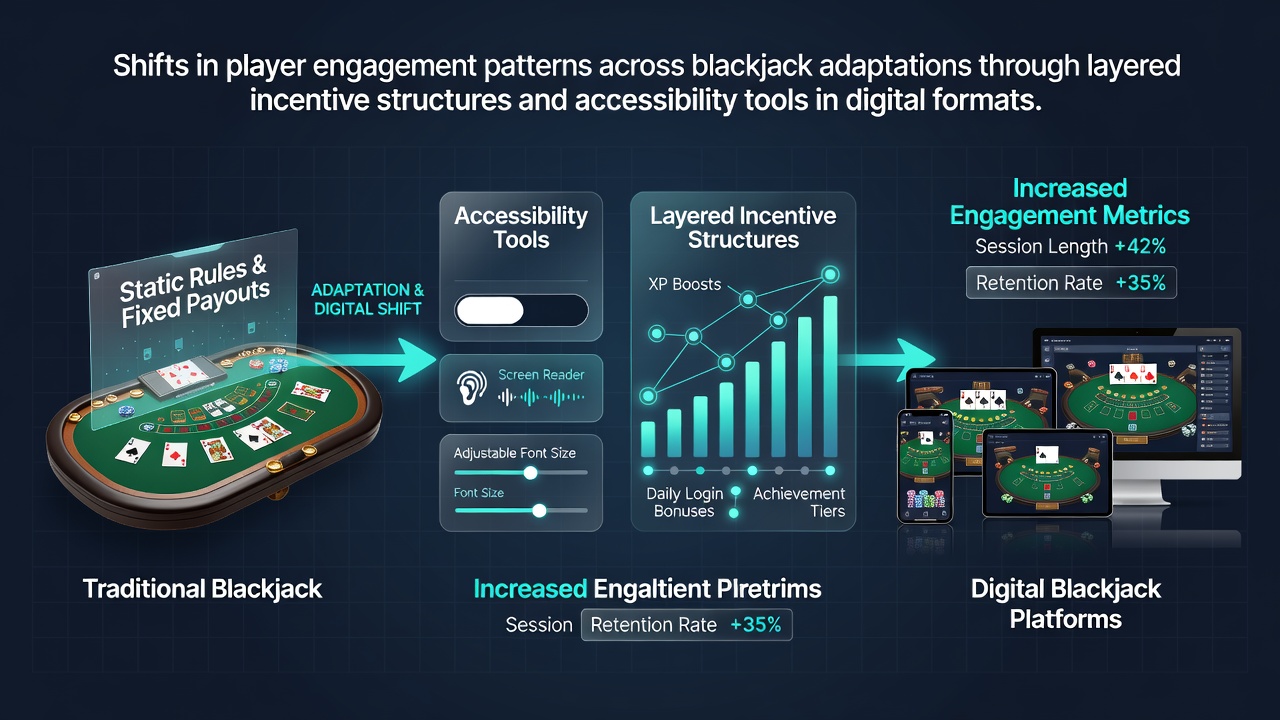
Digital blackjack platforms have introduced layered incentive structures that combine welcome bonuses, progressive rewards, and variant-specific promotions while accessibility tools such as mobile optimization, live dealer streams, and demo modes reshape how participants interact with the game. These developments appear in reports covering the first half of 2026 where operators track session lengths, return rates, and feature utilization across multiple device types.
Incentive Layers and Their Reach
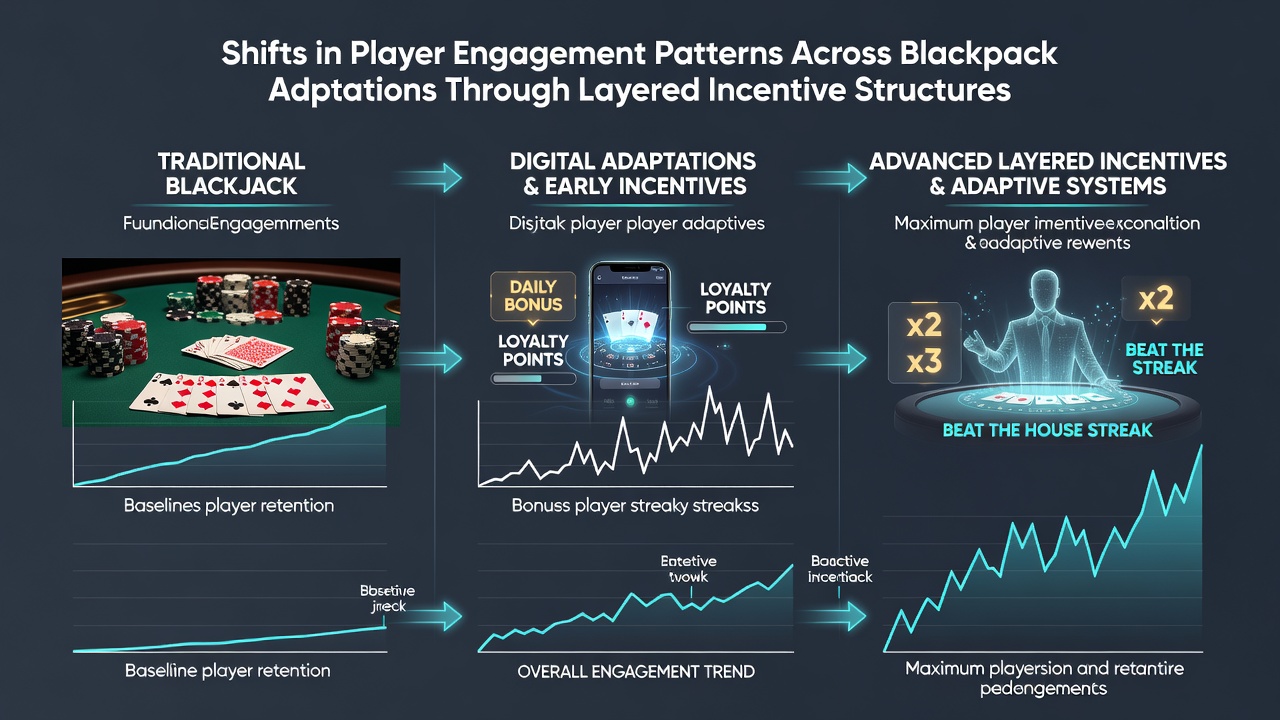
Operators deploy tiered rewards that begin with sign-up credits and extend through loyalty milestones tied to hand volume, variant selection, and deposit frequency. Data collected through June 2026 indicates that players who receive staged bonuses maintain longer average sessions than those using flat incentives alone. Accessibility features integrate with these layers by allowing instant reward activation on handheld devices without additional verification steps in many jurisdictions. Research from regulatory filings shows increased uptake of multi-tier programs when paired with one-tap deposit options and real-time balance updates.
Accessibility Tools Driving Format Changes
Mobile applications now host side bets, infinite deck variants, and speed tables that sync directly with loyalty dashboards. Live dealer feeds reduce latency through adaptive streaming protocols and observers note higher engagement when participants switch between practice modes and real-money tables within the same session. Tools for strategy refinement, including built-in probability calculators and hand history exports, appear more frequently on platforms that report elevated retention numbers. Figures released in mid-2026 from North American and European markets reveal that users accessing these tools complete more hands per hour on average compared with earlier interface designs.
Observed Pattern Shifts in Participation
Engagement metrics compiled through the second quarter of 2026 display a movement toward shorter but more frequent visits rather than extended single sessions. Players who combine layered incentives with mobile accessibility complete deposit cycles at higher rates and explore additional variants within the same account lifecycle. Industry reports link these behaviors to features that surface personalized reward offers immediately after each round concludes. Demographic breakdowns indicate that participants aged 25 to 44 show the strongest response to integrated tools that track both progress toward bonuses and hand outcomes simultaneously.
Operators in regulated markets document shifts where free-play environments feed into paid tables more smoothly when accessibility options remain consistent across both formats. Transaction verification speeds influence how quickly users move from demo sessions to real stakes and records from multiple regions confirm that faster processing correlates with elevated hand counts during promotional windows.
Regional Data Points and Platform Adjustments
Statistics gathered by the Nevada Gaming Control Board through April 2026 and comparable releases from Australian state regulators illustrate steady growth in digital blackjack traffic. Platforms adjust incentive schedules based on these inputs, often aligning bonus triggers with peak mobile usage hours. Academic analyses of player logs further reveal that accessibility enhancements such as offline hand simulators and cross-device synchronization sustain interest between live sessions. Those monitoring industry dashboards report that operators testing new reward layers in June 2026 observe measurable changes in return frequency within weeks of deployment.
European Gaming and Betting Association summaries released earlier in the year highlight parallel trends across member states where mobile-optimized variants capture larger shares of total blackjack activity. The integration of layered incentives with these tools produces distinct patterns: participants who unlock successive tiers tend to sample more game adaptations and maintain accounts over longer periods.
Conclusion
Digital blackjack continues to evolve through the combination of structured reward systems and device-focused accessibility measures. Records compiled into June 2026 document measurable alterations in session patterns, variant exploration, and reward utilization. Operators and regulators alike track these developments to refine platform features while maintaining compliance across jurisdictions. Continued observation of engagement data will clarify how these elements interact over subsequent reporting periods.