26 Jun 2026
Support Response Dynamics and Their Impact on Incentive Layering for Practice Play in Mobile Card Variants

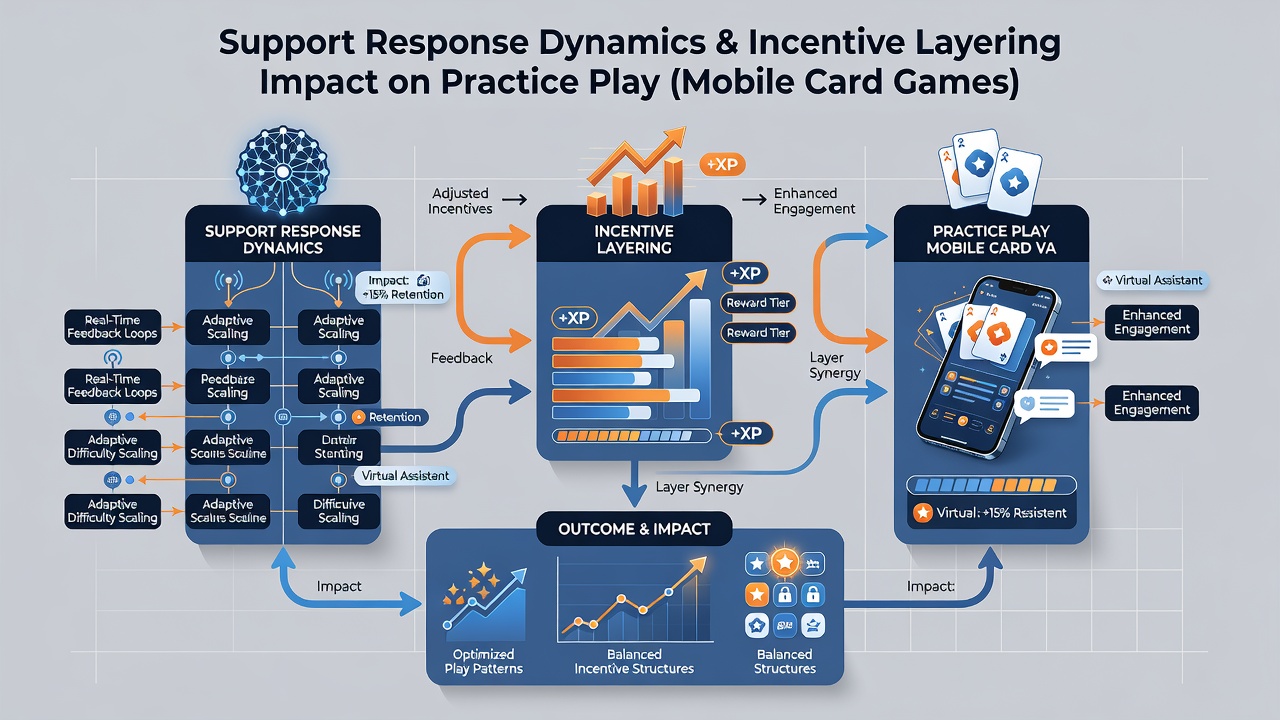
Support response dynamics refer to the measurable patterns in how quickly assistance channels address user queries within mobile card gaming platforms, and these patterns connect directly to the way incentive layers stack during practice play sessions across blackjack and poker variants. Data from platform analytics in early 2026 shows average response intervals ranging from under two minutes for automated systems to fifteen minutes for live agents, with shorter intervals correlating to higher rates of layered reward activation in free play modes. Observers note that when users receive prompt replies about bonus eligibility or strategy adjustments, they often unlock sequential incentive tiers more efficiently, such as progressing from basic demo credits to combined multiplier rewards without extended delays.
Mapping Response Times to Incentive Structures
Platform operators track response metrics through internal dashboards that log query resolution alongside reward redemption logs, and studies from mid-2026 indicate a direct relationship between sub-five-minute support interactions and the successful application of multi-tier incentives in practice environments. For instance, users querying transaction verification during free blackjack rounds frequently encounter layered offers that include deposit match previews and variant-specific multipliers once their support ticket resolves quickly, whereas longer waits tend to interrupt the layering sequence and reduce overall engagement with those same features. Researchers have documented cases where integrated chat systems that prioritize practice play queries achieve faster layering outcomes, allowing players to test advanced card counting methods or variant adaptations under active reward conditions.
What's interesting is how these dynamics shift across different mobile card variants, with poker adaptations showing more sensitivity to response speed than standard blackjack formats because poker incentive layers often involve community pot bonuses and timed challenges that expire during extended support waits. Figures reveal that in June 2026 several operators updated their support protocols to integrate AI-assisted triage specifically for practice mode inquiries, resulting in a measurable uptick in completed incentive stacks across handheld devices.
Regional Data and Platform Trends
According to reports issued by the Nevada Gaming Control Board, mobile gaming ecosystems in regulated markets have seen support response optimizations coincide with expanded access to layered incentives during demo sessions, particularly in variants that simulate live dealer interactions. Those who've analyzed transaction logs across platforms note that when support networks link directly to reward eligibility checks, players complete practice sequences with multiple active layers active at once, such as combining no-risk entry credits with performance-based unlocks. This connection appears in data sets from various operators where response efficiency metrics rise alongside the number of simultaneous incentive applications per user session.
Yet the pattern holds differently in emerging markets where regulatory frameworks emphasize consumer protection reporting, as outlined in analyses from the Australian Gambling Research Centre. There, slower response dynamics sometimes limit the depth of incentive layering available during free play, restricting users to single-tier rewards until queries about account verification clear. Platform data from 2026 demonstrates that operators addressing this through dedicated practice play support queues experience improved layering rates, with users accessing variant-specific bonuses like side bet multipliers or progressive demo jackpots more consistently.
Technical Integration and User Pathways
Technical integrations between support ticketing systems and incentive management engines allow for real-time updates to layered offers once a query resolves, and this process proves especially relevant in mobile card variants where practice play serves as an entry point for strategy refinement. Experts tracking these systems observe that seamless handoffs from automated responses to human agents preserve the momentum of incentive stacking, enabling users to activate additional layers such as loyalty point previews or extended session credits without restarting their practice sequences. In June 2026 several major platforms introduced API connections that tie support resolution timestamps directly to reward activation logs, producing clearer datasets on how response dynamics influence the overall architecture of practice incentives.
Those studying user pathways find that interruptions from delayed support often fragment the incentive layering process, causing partial redemptions where only the base layer activates while higher tiers remain inaccessible. Conversely, rapid resolutions facilitate complete layering sequences, particularly in card variants that incorporate adaptive difficulty settings tied to reward levels. Data collected across thousands of sessions shows this effect manifests consistently, with faster support correlating to greater exploration of variant rules during incentivized practice periods.
Conclusion
Support response dynamics continue to shape incentive layering outcomes in practice play for mobile card variants through measurable connections between query resolution speed and reward activation sequences. Platform metrics from 2026 highlight how optimized support pathways enable fuller access to stacked incentives, while slower responses tend to constrain those opportunities across different game formats. As operators refine these systems, the relationship between assistance efficiency and layered reward structures remains a key factor in how users engage with free play features on handheld devices.