7 Jun 2026
Synchronizing Reward Accumulation Patterns with Transaction Verification Speeds Across Demo Card Formats on Handheld Platforms
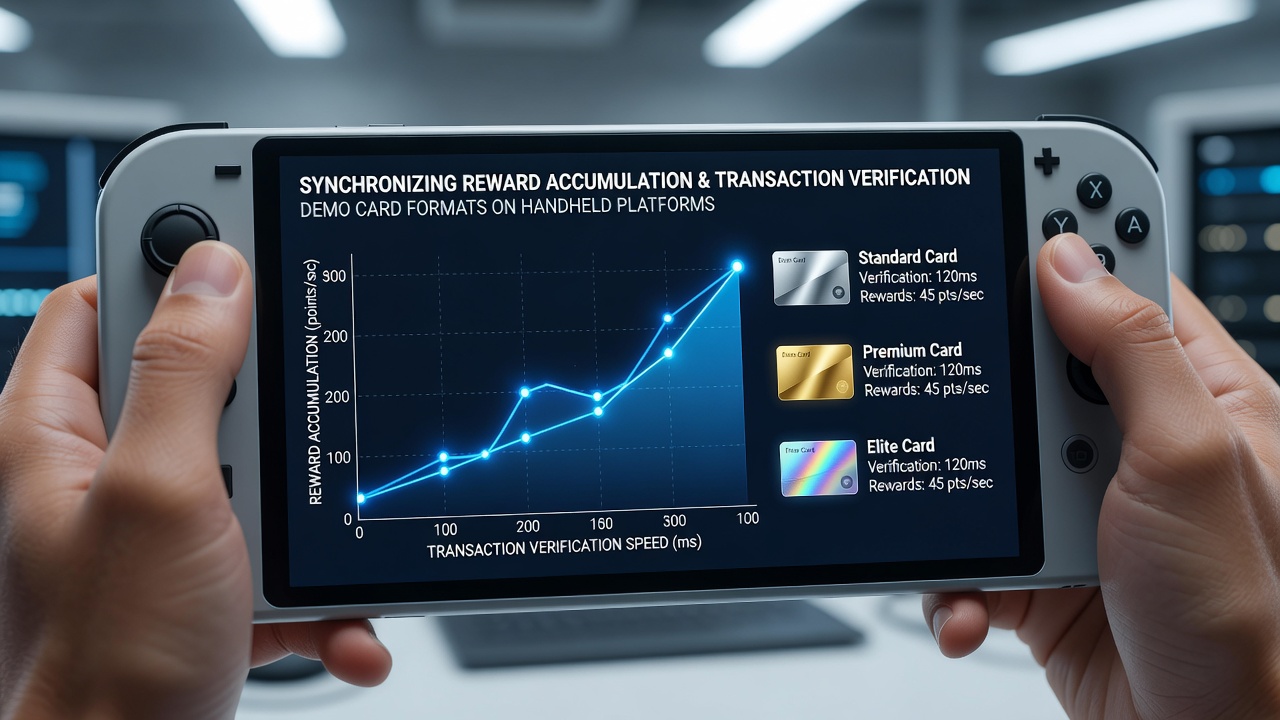
Developers working on handheld platforms have focused on aligning reward accumulation patterns with transaction verification speeds in demo card formats, where applications simulate card-based interactions without requiring full production environments. These systems appear across mobile devices and portable consoles, where demo versions track user progress through virtual card collections while processing verification steps that confirm actions in real time. Data from industry reports shows that synchronization reduces latency between reward triggers and confirmation signals, allowing patterns such as incremental point gains or badge unlocks to register immediately after each verified step.
Reward Accumulation Patterns in Demo Environments
Reward accumulation patterns follow structured sequences in which users earn virtual assets based on repeated card interactions, and these sequences integrate with backend verification layers that confirm each action before updating the user's profile. Researchers at various institutions note that patterns often include linear progressions for basic achievements alongside branching paths for complex combinations, which helps maintain consistency across different demo card formats. When verification speeds match the rate of pattern completion, systems avoid bottlenecks that previously caused delayed updates or lost progress data.
Studies conducted by academic groups indicate that handheld platforms benefit from modular reward engines that separate accumulation logic from verification protocols, enabling faster adjustments during testing phases. In June 2026 several development teams reported improved compatibility metrics after implementing these modular designs, particularly on devices running updated mobile operating systems. Observers note that such changes allow demo formats to scale reward rates without compromising the speed of transaction checks that validate card swaps or collections.
Transaction Verification Speeds and Their Role
Transaction verification speeds determine how quickly a system confirms user actions within demo card formats, and faster speeds support seamless reward accumulation by minimizing the gap between action and confirmation. Industry organizations like the Entertainment Software Association have documented average verification times dropping below 200 milliseconds on modern handheld hardware, which aligns with the demands of real-time card simulations. This alignment proves especially relevant when multiple users interact with shared demo environments, where concurrent verifications must occur without interrupting individual reward streams.
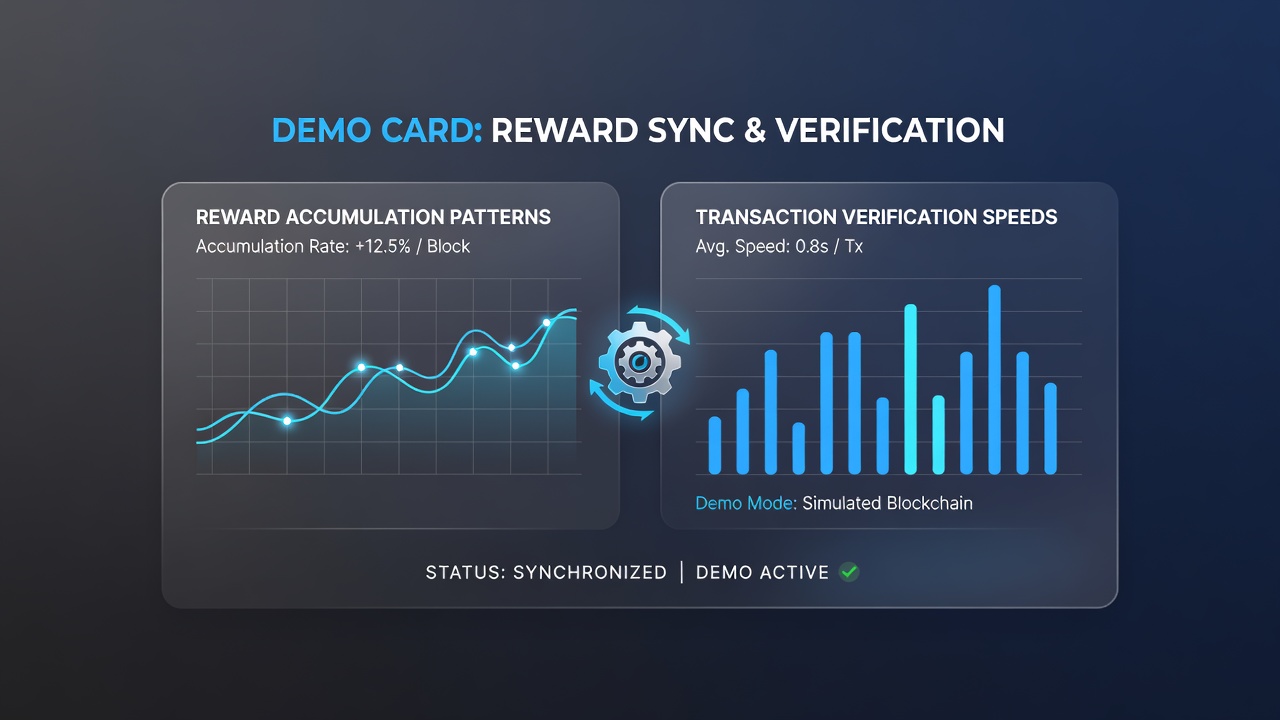
According to data compiled by the GSMA, handheld platforms equipped with advanced chipsets handle verification loads more efficiently when paired with optimized demo card protocols. These protocols prioritize lightweight cryptographic checks that confirm transactions while feeding results directly into reward accumulation modules. People who manage large-scale testing environments report fewer synchronization errors when verification pipelines operate at sub-second intervals, allowing patterns to build continuously rather than in staggered batches.
Integration Across Handheld Platforms
Handheld platforms vary in processing capabilities, yet synchronization techniques adapt through standardized interfaces that connect reward systems with verification services regardless of device architecture. The Canadian Interactive Digital Entertainment Association has highlighted cases where cross-platform tools enabled consistent performance between tablet-based demos and dedicated portable consoles. These tools adjust verification speeds dynamically based on network conditions, ensuring reward accumulation remains steady even during fluctuating connectivity.
Demo card formats themselves incorporate tiered structures, ranging from simple single-card displays to multi-card layouts that require simultaneous verifications. When accumulation patterns account for these tiers, systems apply weighted rewards that reflect complexity while verification layers process each tier at matching speeds. Evidence from recent technical papers suggests that such weighting prevents overloads during peak usage periods, particularly in June 2026 when seasonal updates increased demo access across multiple regions.
Technical Approaches to Synchronization
Engineers employ event-driven architectures to link reward triggers directly with verification outcomes, creating feedback loops that update accumulation counters immediately after each confirmed transaction. This method reduces reliance on polling intervals and instead uses callbacks that activate only when verification completes successfully. Mobile Marketing Association resources describe similar architectures in consumer applications, where the same principles support non-monetary reward systems in entertainment software.
Additional techniques include buffering mechanisms that queue minor reward increments during brief verification delays, then apply them in sequence once speeds normalize. Those who analyze performance logs observe that buffering maintains user engagement metrics by avoiding visible pauses in accumulation. Handheld platforms running June 2026 firmware updates incorporated enhanced buffering options that further stabilized demo card interactions across varying hardware generations.
Conclusion
Synchronization of reward accumulation patterns with transaction verification speeds continues to shape demo card format development on handheld platforms through targeted technical refinements and cross-device compatibility measures. Available reports from regulatory and industry bodies demonstrate measurable improvements in processing efficiency, while ongoing platform updates sustain these gains into subsequent periods. The approaches outlined reflect established engineering practices that prioritize consistent performance across diverse demo environments.