9 Jun 2026
Tracing Connections Between Funding Options and Reward Eligibility in Simulated Card Gaming on Mobile Platforms
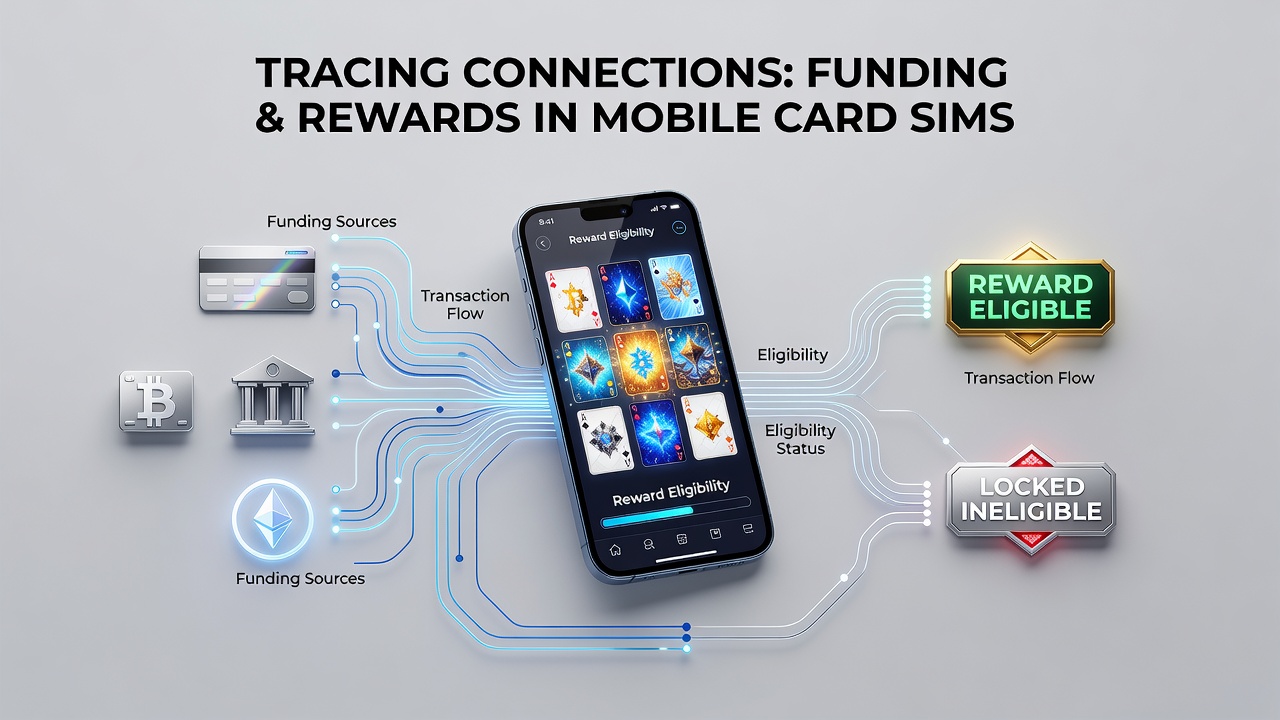
Simulated card gaming on mobile platforms has expanded rapidly in recent years, and observers note that funding options now intersect directly with reward eligibility structures in these free-to-play environments. Developers integrate virtual currency purchases, subscription tiers, and in-app transaction methods that determine which bonus features become accessible during demo play sessions. Research from industry analysts shows that players who select certain payment pathways often unlock variant-specific rewards faster than those relying solely on earned virtual credits.
Funding Mechanisms in Mobile Simulated Environments
Mobile card game applications typically offer multiple entry points for virtual funding, including credit card integrations, digital wallets, and carrier billing systems, while each pathway carries distinct verification requirements that affect reward access timelines. Data indicates that platforms using instant verification through linked bank accounts enable quicker progression to loyalty tiers, whereas slower methods like manual code redemptions delay eligibility for bonus rounds. Those who've examined app store metrics find that users combining multiple funding sources achieve higher reward accumulation rates across extended play periods.
Simulated blackjack and poker variants on handheld devices frequently tie reward eligibility to funding frequency rather than total amounts spent, which creates layered incentive systems where occasional small transactions grant access to daily challenges and streak bonuses. Experts have observed that this model encourages sustained engagement without requiring large commitments, and figures reveal seasonal spikes in such activity during promotional events. In June 2026 several major platforms adjusted their funding interfaces to streamline these connections following updates in regional mobile commerce standards.
Eligibility Pathways and Transaction Verification
Reward eligibility in these simulated settings depends on verification speed and funding source diversity, since platforms cross-reference transaction data against player behavior patterns to assign bonus qualifications. Studies from academic institutions demonstrate that diversified funding portfolios correlate with broader access to variant tables and custom rule sets during free play modes. Observers note that single-source users encounter stricter eligibility gates, which limits their exposure to advanced strategy refinement tools embedded in the reward system.

Transaction logs processed through third-party processors often feed directly into eligibility algorithms, and this integration allows platforms to grant immediate access to multiplier events or exclusive demo tournaments once verification clears. Data from regulatory filings shows regional differences in how quickly these systems update, with North American operators generally matching European counterparts in processing efficiency by mid-2026. Players who maintain consistent funding patterns across multiple months report expanded reward catalogs according to aggregated user surveys.
Platform Variations Across Operating Systems
Android and iOS ecosystems handle funding-to-reward linkages differently due to distinct app store policies, and developers adapt their systems accordingly to maintain compliance while maximizing player retention. Researchers discovered that iOS users encounter additional authentication layers that sometimes extend the time between funding and reward activation, whereas Android environments permit faster integration in many cases. Industry reports highlight that these technical distinctions influence overall reward distribution patterns across global user bases.
Cross-platform synchronization tools now allow progress and funding history to transfer between devices, which strengthens connections between payment choices and long-term reward eligibility. Figures from mobile analytics providers indicate rising adoption of these tools since early 2025, and this trend continued into June 2026 with new API standards rolled out by several leading developers. Those studying user behavior patterns find that seamless transfers reduce friction and increase the likelihood of repeated funding actions tied to accumulating specific bonuses.
Regulatory Context and Industry Data
Regulatory bodies such as the Nevada Gaming Control Board have issued guidance on transparency in simulated gaming reward structures, and similar oversight appears in other jurisdictions monitoring mobile transaction flows. A separate analysis from the Victorian Responsible Gambling Foundation examined how funding diversity affects reward access rates in demo environments, revealing measurable differences across demographic groups. These findings contribute to ongoing discussions about standardizing eligibility criteria without restricting player choice.
Market data released in 2026 shows steady growth in simulated card game participation alongside evolving payment ecosystems, and platforms continue refining the technical links between funding methods and reward gates. Observers note that clearer documentation of these connections helps users navigate eligibility requirements more effectively across different applications.
Conclusion
Connections between funding options and reward eligibility continue to shape how simulated card gaming operates on mobile platforms, with verification processes and payment diversity serving as primary determinants of access. Data from multiple sources confirms that these linkages influence player progression patterns and feature availability in measurable ways. As platforms evolve their systems through 2026 and beyond, the interplay remains a central element in the design of free-to-play card experiences.