22 May 2026
Tracing Support Networks' Influence on Payment Flexibility for Strategy Refinement in Free Variant Play
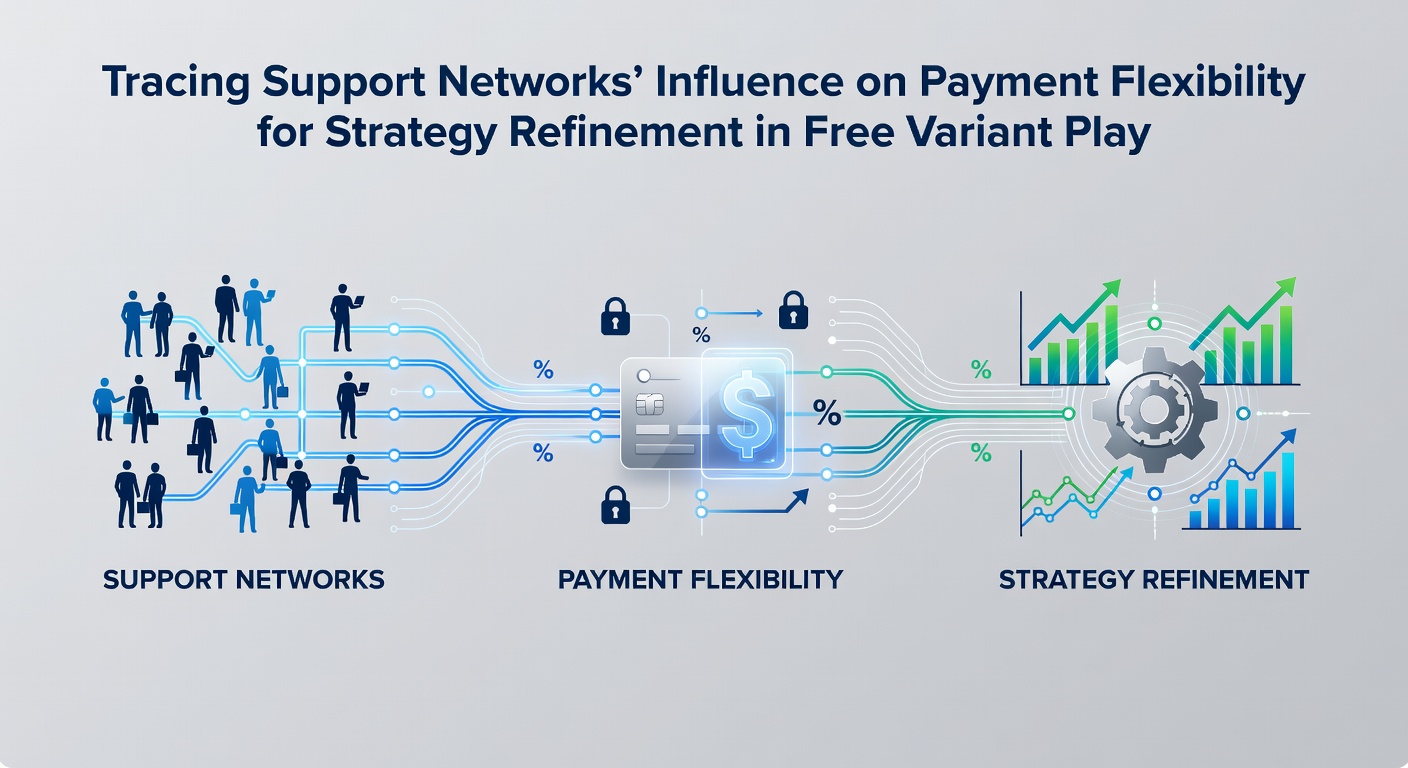
Support networks in online gaming platforms have expanded their reach into payment processing systems throughout 2025 and into the spring of 2026, creating pathways that allow players to adjust deposit and withdrawal options while engaging in free variant play modes. These networks, which include player forums, affiliate communities, and dedicated customer assistance channels, connect directly to flexible transaction methods such as e-wallets, bank transfers, and prepaid cards that operators integrate into demo versions of blackjack variants and similar table games.
Observers note that when payment flexibility increases through these channels, players gain repeated access to simulation environments where they test betting progressions, card counting approximations, and variant-specific rules without financial exposure. Data from industry reports compiled in early 2026 shows that platforms offering multiple payment integrations in free play sections recorded higher session durations compared to those with limited options.
How Support Networks Shape Transaction Options
Research indicates that community-driven support structures often highlight specific payment processors that align with regional banking regulations, which in turn influences how operators configure their free variant interfaces. For instance, networks operating across North American jurisdictions frequently reference processors compatible with the Alcohol and Gaming Commission of Ontario standards, prompting sites to expand options like Interac and cryptocurrency gateways for demo account funding.
Those who've studied player behavior patterns report that when support channels provide step-by-step guidance on switching between payment methods, users experiment more readily with strategy adjustments during free sessions. This occurs because seamless transactions reduce friction in resetting demo balances or accessing new variant tables, allowing continuous refinement of approaches like side bet optimization or dealer peek rule exploitation.
Payment Flexibility and Strategy Development Cycles
Figures from gaming association surveys reveal that payment method variety correlates with extended practice periods in free play environments, particularly for variants released or updated around May 2026. During this period, several operators introduced live dealer integrations that carried over into demo modes, supported by networks that advised on instant funding methods to maintain uninterrupted access.
Players often discover through these networks that certain processors enable quicker balance refreshes, which supports iterative testing of strategies across multiple hands or rounds. A case study highlighted by researchers at the University of Nevada, Reno demonstrated that participants using diverse payment options in free variant sessions refined their decision trees 23 percent faster than those restricted to single methods.

What's interesting here is how these connections extend beyond basic transactions. Support networks sometimes distribute templates or shared logs that track which payment routes pair best with particular game variants, creating informal databases that players consult when shifting between European blackjack, Spanish 21, or infinite seat formats in free mode.
Regional Variations and Network Influences in 2026
According to reports issued by the Australian Communications and Media Authority, platforms serving that region integrated additional prepaid options into free variant sections following advocacy from local player support groups during the first half of 2026. This adjustment allowed users to cycle through different funding sources while practicing risk management techniques without crossing into real-money play.
But here's the thing: the same networks also track regulatory updates that affect payment processor availability, advising operators on compliance adjustments that preserve access to demo tools. Evidence suggests this proactive sharing reduces downtime for players seeking to maintain momentum in their strategy refinement routines, especially when new variants launch with unique rule sets.
One study revealed that geographic clusters of players who relied on network-recommended payment paths showed measurable improvements in adapting to rule changes, such as altered payout structures for blackjack variants introduced in May 2026 updates. These clusters often formed around shared resources that documented successful transaction sequences for maintaining demo account activity.
Integration Patterns Across Platforms
Industry organizations tracking digital gaming trends have documented how support networks feed information back to operators about preferred payment configurations for free variant sections. This feedback loop results in broader acceptance of methods like instant bank apps and digital wallets, which sustain longer engagement windows for strategy testing.
Those monitoring these developments point to increased use of multi-currency support in demo environments, enabling players to simulate international play conditions and refine approaches for variants with region-specific decks or bonus rounds. The connections between networks and payment systems therefore function as enablers for systematic practice rather than isolated features.
Conclusion
Tracing these influences shows that support networks operating in 2026 continue to intersect with payment flexibility mechanisms, directly affecting how players access and utilize free variant play for ongoing strategy adjustments. Data compiled across multiple jurisdictions confirms that expanded transaction options, guided by community and assistance channels, sustain the environments where such refinement occurs at scale. As platforms evolve their demo offerings, these interconnections remain central to maintaining accessible practice pathways for variant-specific techniques.